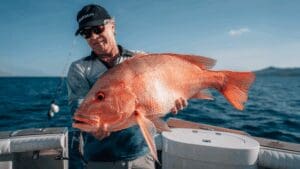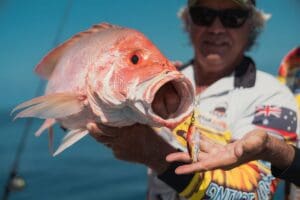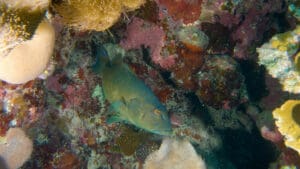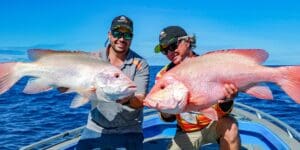



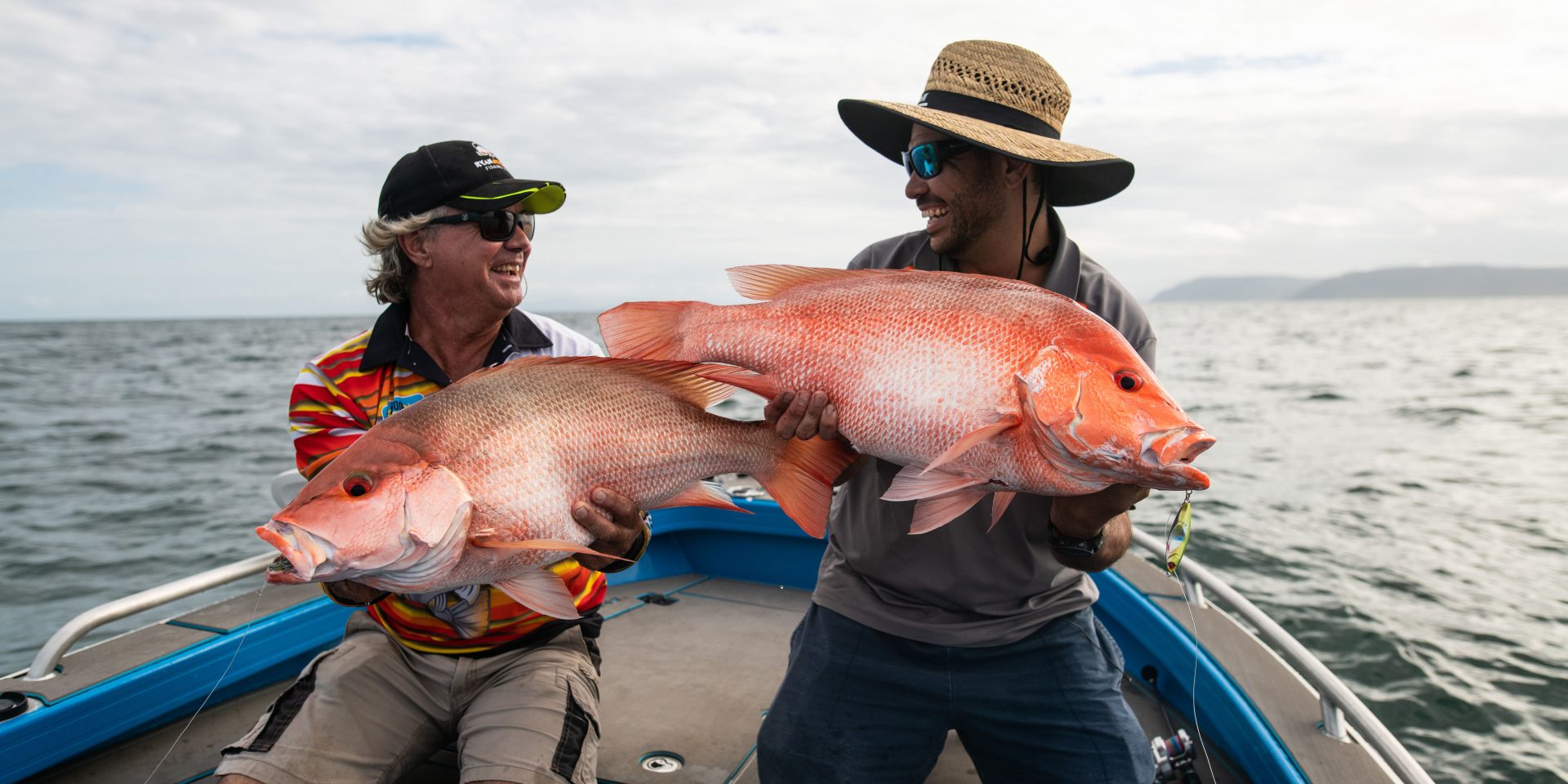
When you’re fishing offshore for demersals like big red emperor, large-mouth nannygai or other bottom-dwellers, sooner or later you meet the taxman .🦈
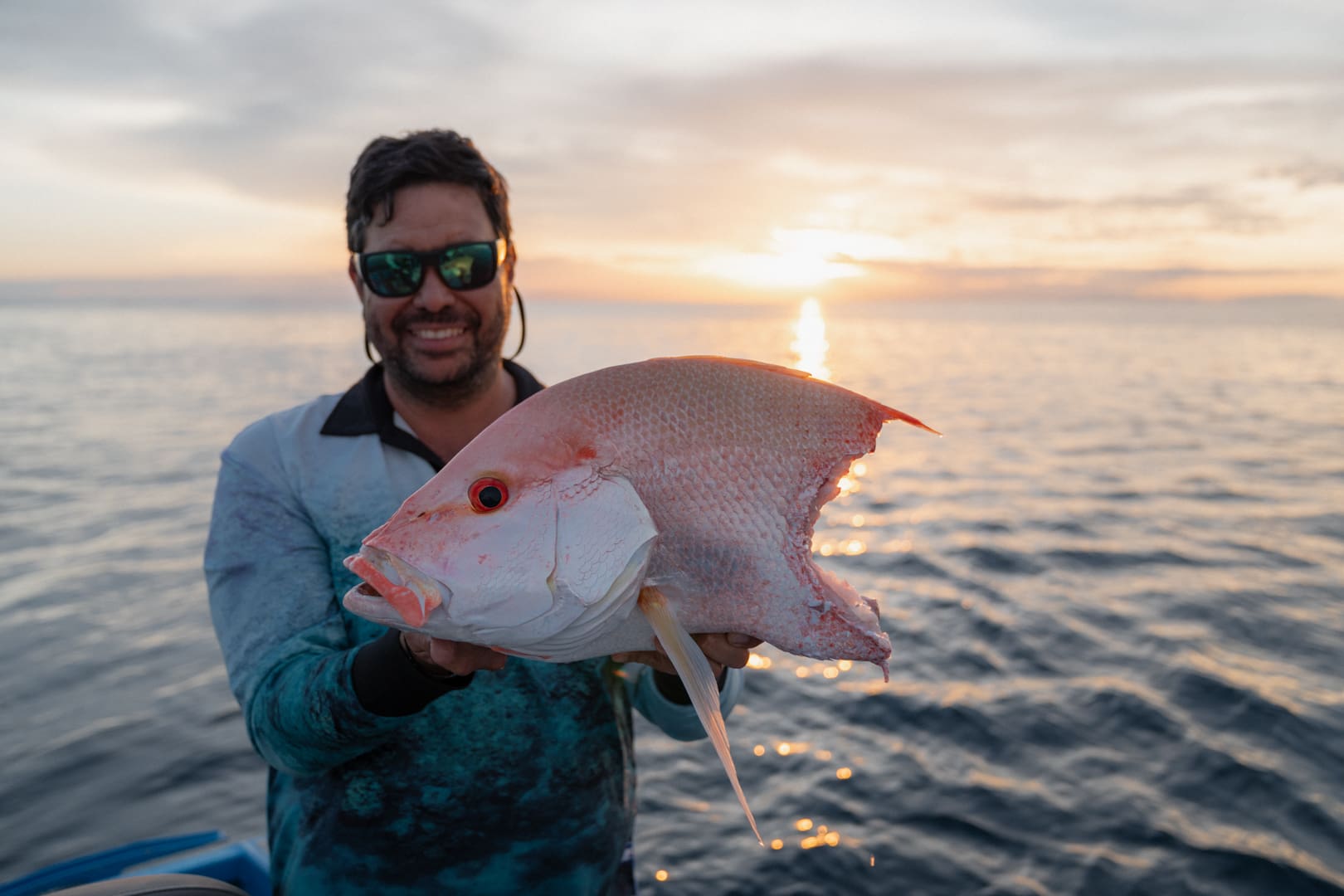
Your only option is to move.. But to where? Running blind in a big ocean feels like a fuel-burning gamble. You’ve already invested time on that mark. Do you really want to roll the dice again?
Many anglers don’t struggle because fish aren’t there. They struggle because they don’t have a system for narrowing down productive areas and relocating with confidence.
But here’s the good news! Offshore fishing isn’t random, and we’ve built a new online course around turning it into a structured, repeatable system — we called it OFFSHORE OPPORTUNITIES.
Below are 7 offshore fishing tips that form the backbone of the course, so you can make better calls offshore without second-guessing every move.
Quick side note: When I talk about offshore fishing here, I’m talking about targeting quality demersal species in the open paddock inside the continental shelf, roughly 15 to 100 metres deep.
1. Stop Fishing the Obvious Structure
If it’s a public GPS mark, a well-known wreck or a big obvious reef… you’re competing.
It makes sense to fish structure because fish relate to structure. But so does everyone else!
High-pressure areas often mean:
Smaller average fish
Heavily picked-over ground
Increased shark depredation
Fish that have become cautious or conditioned
The more a location gets fished, the more it changes. Quality fish either get removed… or they shift.
I’ve seen it countless times. A big reef system looks perfect on the chart, hence why boats stack up on it. There’s life there, but it’s inconsistent, sharky and often dominated by smaller fish. Only a few kilometres away, in what looks like “nothing”, the quality fish are sitting on a subtle structure most people ignore.
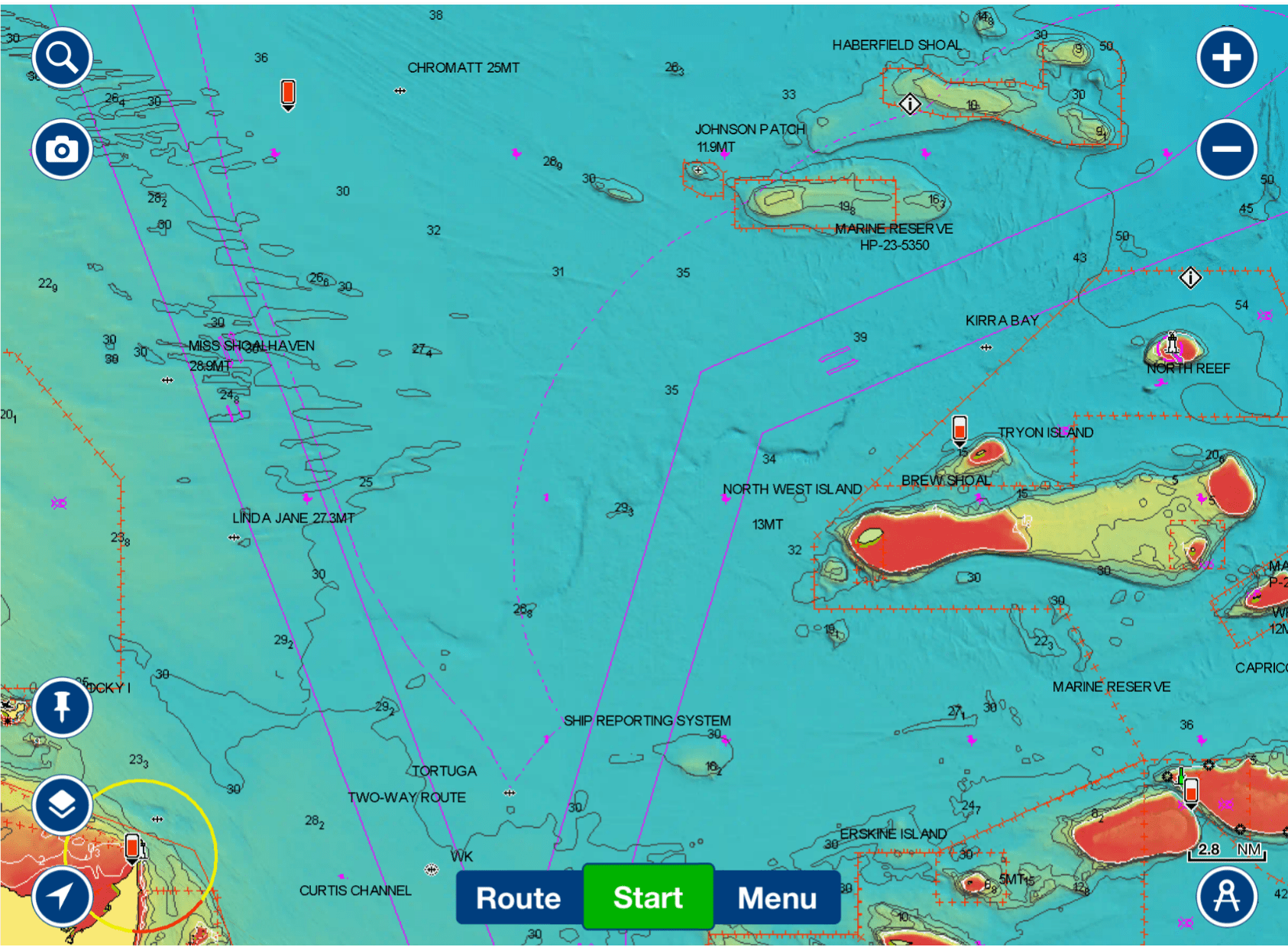
The ocean inside the continental shelf is full of overlooked habitat in the open paddock. That’s where the gold often lives.
Once you understand what the different features look like that hold quality demersals and how to find them, the ocean feels a whole lot smaller.
2. Read Charts Before You Leave the Ramp
If you launch first and think later, you’re already behind.
Before I even fire up my boat, I’m studying bathymetric fishing charts and relief shading for:
Contour compression
- Isolated contour kinks or bends and where to fish in relation to them
Subtle rises in otherwise flat ground
- Indications (from my knowledge of geology) that could indicate small productive honey holes
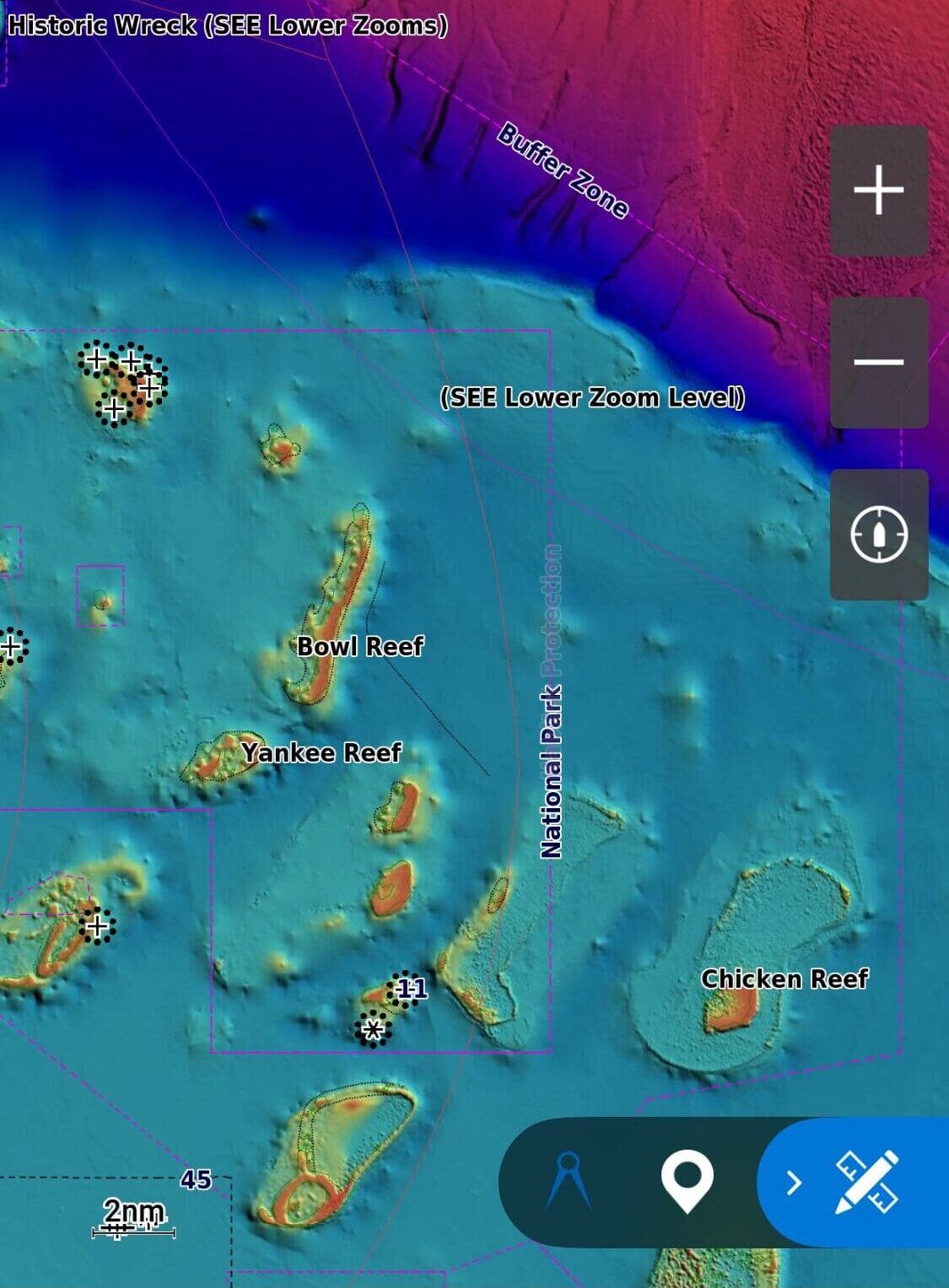
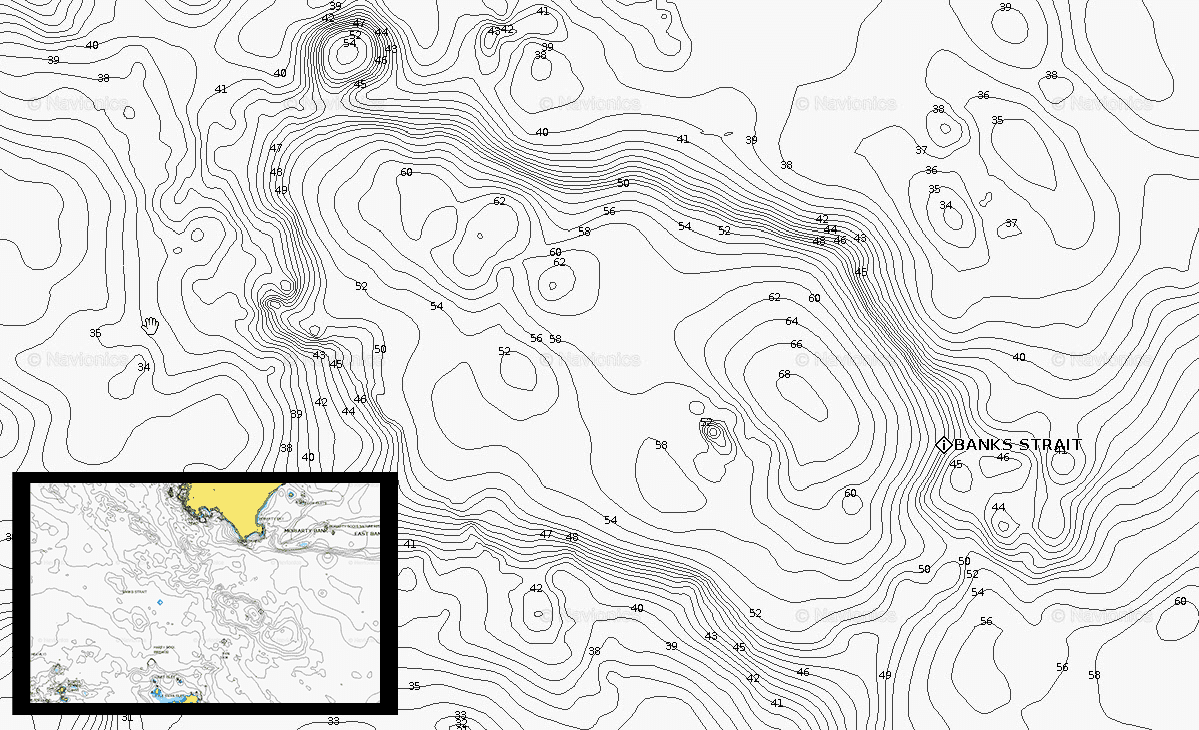
Most fishos scroll around looking for larger structures. I’m looking for subtle structural clues that most boats ignore.
The continental shelf wasn’t always underwater. Ancient landscapes, sediment wedges and current compression zones have shaped what we fish today.
If you understand that logic, you’re not randomly searching for “offshore fishing near me.” You’re narrowing the paddock before you ever leave the ramp.
That means:
Less fuel wasted
More options in case one spot is dead or infested by sharks
An immediate edge over other anglers
3. Master Your Sounder for Offshore Conditions
In 60 metres of water, your sounder is your vision. The anglers who improve fastest offshore are always the ones who learn how to use their sounder to identify fish hugging the bottom.
The key thing to understand is this: different sounder tools are built for different jobs. Searching for new ground is not the same as assessing fish on a piece of structure. And if you use the wrong mode (or the wrong frequency/beam), you can drive right over fish and not even realise what you missed.
A simple way to think about it is: coverage vs clarity. In open paddock country, you want tools that cover ground and help you find “something” worth looking at. When you’re inspecting tighter structures, you want tools that give higher definition so you can see what’s actually going on down in the crevices and close to the bottom. That’s why running combo screens can be such a weapon offshore. It helps you cross-check what you’re seeing instead of making decisions based on one view.
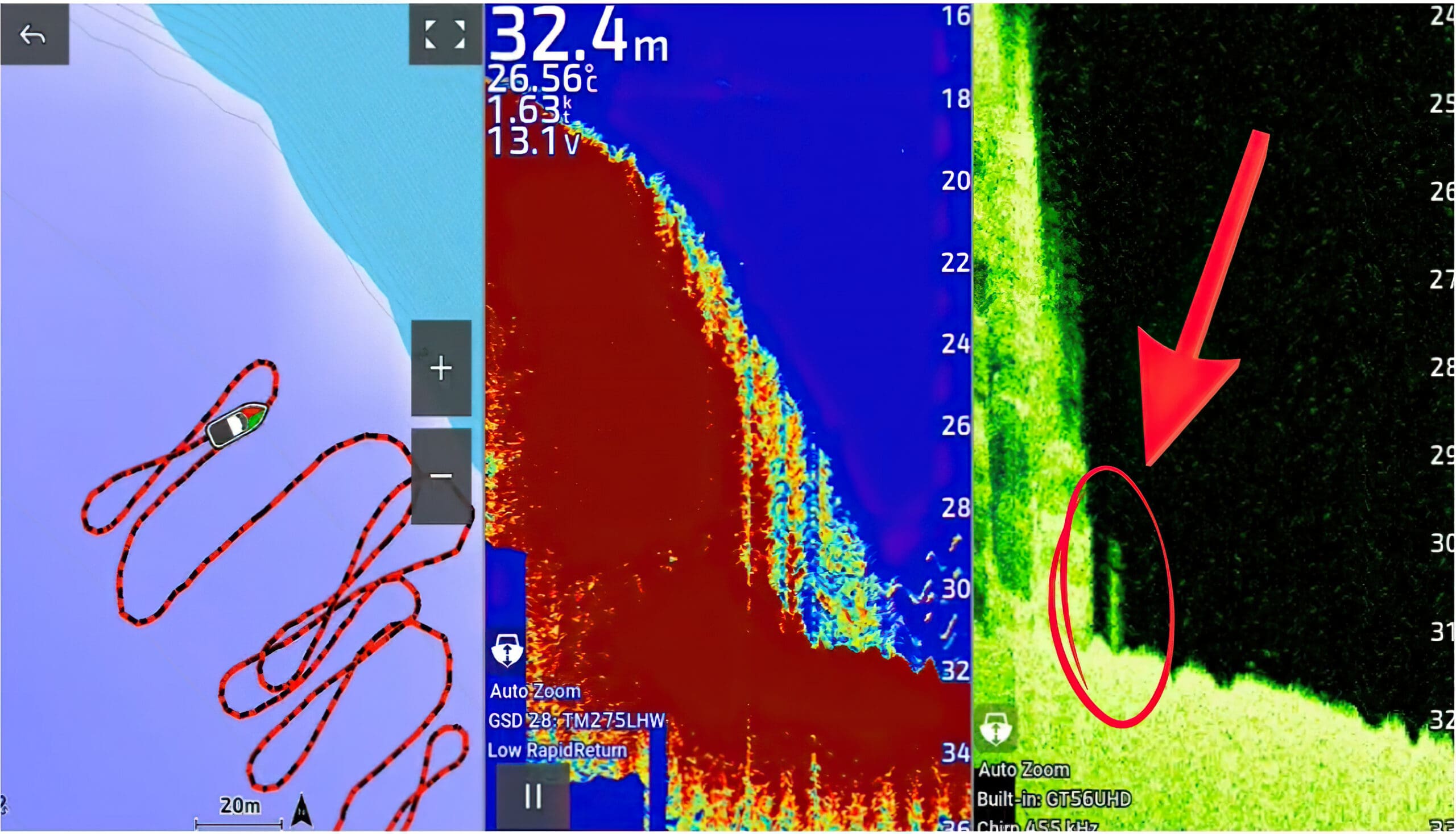
Another big mistake is people running the screen too zoomed out. If you’re chasing demersals that hug the bottom, you need to zoom in and keep your view consistent; otherwise, even a solid fish can disappear in the clutter.
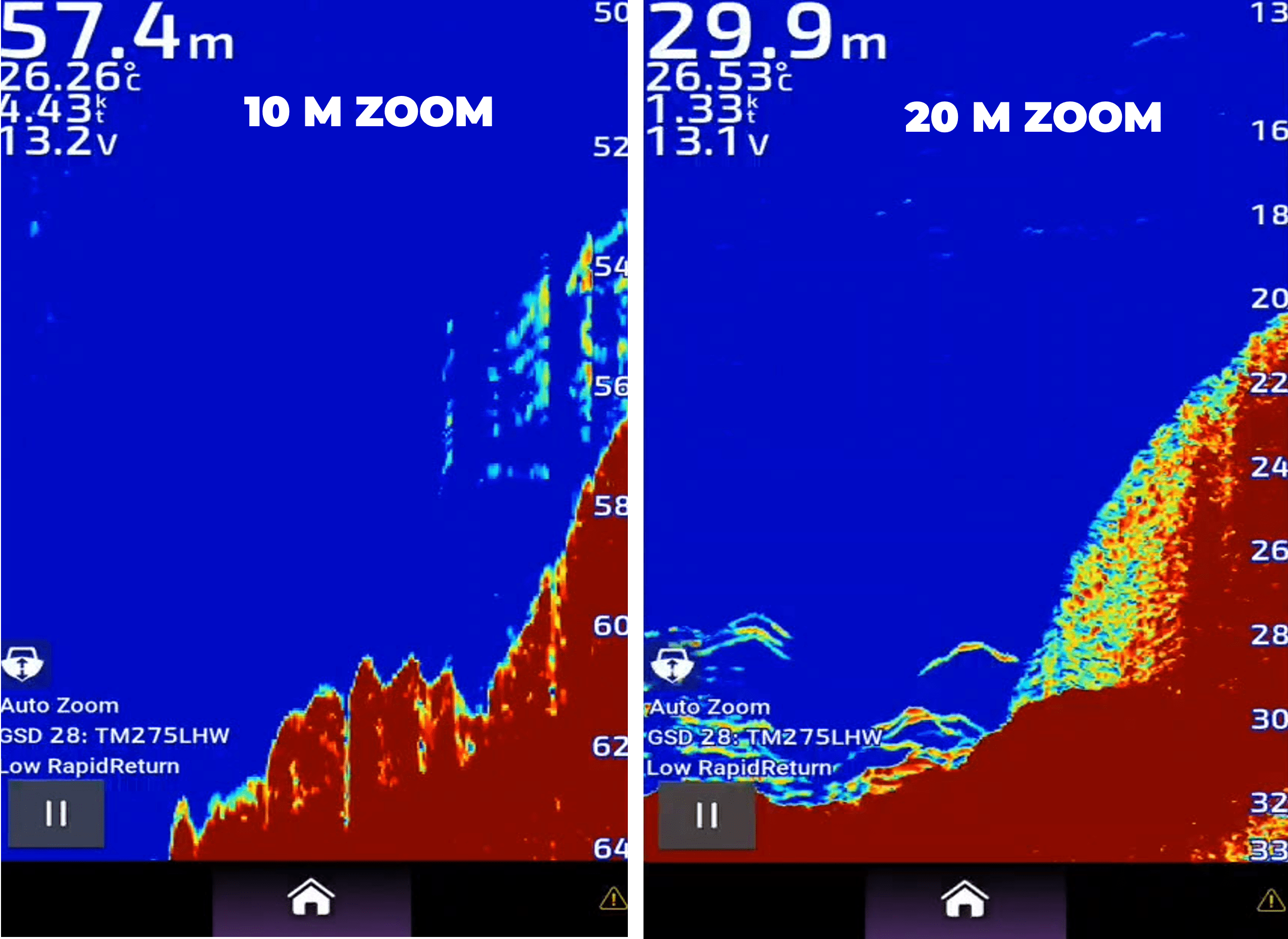
And finally, don’t forget sounders throw illusions. Fish can hide in the bottom return, wide beams can make things look “mushed together,” and sometimes you’ll only see the full story after a couple of passes. That’s why I’ll often do a few slow assessments over a spot before I decide whether it’s worth fishing.
I won’t go down the full rabbit hole here about sounder skills, because frequencies, beam angles, transducers and all the little tweaks are a deep topic. But once you understand the purpose of each mode and how to read fish positioning, your offshore decision-making speeds up massively. If you’re in the market for a new unit – read this fish finder info first!
If you’re not 100% confident you’re interpreting your sounder correctly, grab my FREE Big Picture training! This is where I break down how to select the right mode and avoid common mistakes like confusing bait with structure or fishing above the fish. Most people don’t even realise they’re doing it wrong.
4. Understand How Demersals Feed
One of the biggest shortcuts in offshore fishing is realising that “demersals” aren’t all doing the same thing down there. Some are primarily predators, built to ambush or crash baitfish and squid in the water column. Others are foragers, built to work the bottom for crabs, urchins, shrimp and octopus. And some share both traits.
Why does this matter?
Because how a fish feeds affects:
Where it sits
How it reacts to current
Whether it responds better to bait or jigs
And when it’s most likely to switch on
For example, when the current starts building, more predatory fish will often move up-current on the structure and rise off the bottom to intercept food. That’s when they can become aggressive and competitive.
Foraging-style fish are more likely to sit tight to the seabed and spread out while picking away at morsels hiding in the bottom. They often feed for longer periods, especially when there’s steady movement in the water.
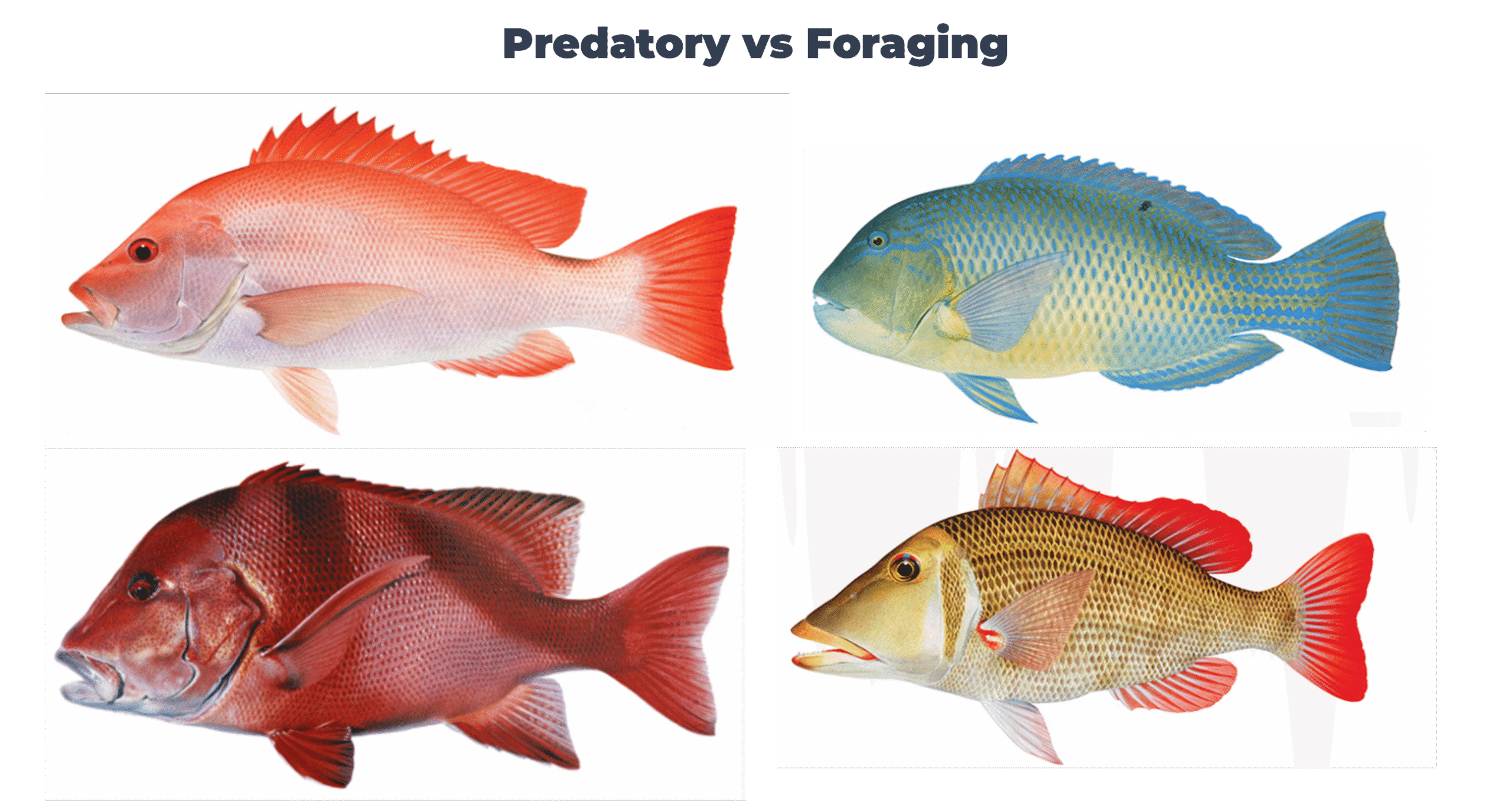
Here’s the simple takeaway:
If you’re marking fish but not getting bites, it doesn’t always mean the spot is bad. It might mean you’re fishing the wrong way or at the wrong time for the type of fish below you. Once you start thinking about how the fish are feeding and not just where they are, your decisions offshore become far more deliberate.
And when you combine feeding behaviour with the right habitat and the right run… that’s when the paddock really starts to make sense.
5. Fish the Right Run Offshore
One of the biggest mistakes I see anglers make is treating inshore fishing vs offshore as if the rules are the same.
Inshore, tides are fairly predictable. Water pushes in, water pushes out, and structures funnel that movement in obvious ways. You plan around tide changes, and fish respond accordingly.
But offshore, inside the continental shelf, you can’t rely on the tide chart alone.
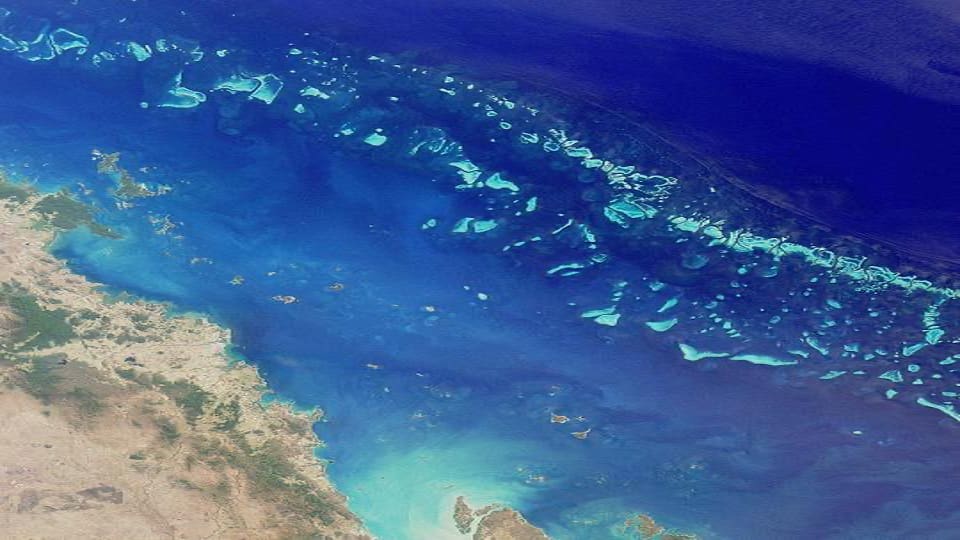
That’s why I don’t just fish “big tides.” I fish what I call situational run — the actual current strength at the exact spot I’m on.
Here’s the simple rule offshore:
No run? Fish often spread out or become inactive.
Too much run? It’s hard to stay near the bottom and fish can reposition or shut down.
A steady, moderate, building run is often the sweet spot.
And this is where preparation gives you an edge. If you only rely on one obvious structure, you’re stuck with whatever current is hitting it. But if you’ve identified multiple habitat options beforehand, you can move and hunt for the right run on the day.
It’s about matching habitat, depth and presentation to the movement that’s actually happening beneath your boat. And once you start thinking that way, offshore becomes far more strategic… and far less random.
Over time you’ll create a portfolio of untouched spots for use under different conditions.
6. Position the Boat According to Current
Boat positioning offshore is far more important than most anglers realise. You can find the right habitat, have the right run and even mark good fish on the sounder. But if your boat isn’t positioned properly, you’re simply not fishing on the fish.
The main factor to consider is current.
Current determines where demersal fish will sit on the structure and how your bait or jig travels down to them. Most species position themselves in relation to flow. During active periods, fish will sit in certain areas in relation to structure so food gets delivered straight to them. Others may sit tighter to the bottom, but they’re still orientated to the movement of the water.
Now think about what happens when you drop your line in 40 to 100 metres of water. It doesn’t go straight down. Your sinker or jig drifts with the current as it sinks. If you spot-lock or anchor on the wrong side of the structure, your presentation can easily land well behind the fish.
Another thing to consider is the beam angle of your transducer. At 70 metres in depth, the coverage of a typical 2D transducer can be 30 metres in diameter (affected by transducer beam angle). So, where exactly are the fish?
You might be sitting exactly on your GPS mark, but that doesn’t mean your bait is reaching the strike zone.
Before dropping a line offshore, it pays to ask yourself a few simple questions:
- Which way is the current actually running on the bottom?
- Where would the fish position themselves in that flow?
- And will my bait drift into them naturally — or away from them?
Good boat positioning isn’t about being directly on top of a waypoint. It’s about setting up so your bait/lure is presented where the fish are holding. When you start thinking like that, fish behaviour, transducer beam angles, situational runs and even your sinker or jig choice begin to work together.
That’s when you stop just fishing a spot and start fishing the fish.
7. Keep Tackle Simple
When I say “keep it simple”, I don’t mean under-gunned or unprepared. I mean, don’t turn your offshore fishing boat into a floating tackle shop and still end up guessing. Offshore demersal fishing really comes down to a few core presentations that cover almost everything: A couple of bait rigs, a live bait option when you need it and a small selection of lures that actually reach the strike zone.
The key is matching your setup to these 3 conditions: Depth, current strength and bottom type.
If you’re fishing deeper water and the run is pushing, your gear needs to get down quickly and stay down. If you can’t consistently hold bottom, you’re not fishing for demersals. You’re just drifting mid-water hoping for the best, probably hooking up a mackerel or GT. On a lighter run, you can scale things back and fish more naturally.
Quick tip: I always fish as light as I can get away with. With slow pitch jigs, I’ll use the lightest weight that still reaches bottom because they move more naturally and are easier for fish to inhale. I only step up in weight when the run forces me to.
So here’s everything you need to consider:
- Oily dead baits are hard to beat for pulling fish in with scent.
- Live baits can be deadly when fish are cautious or when you’re targeting a better class of fish.
- And lures (mostly jigs) shine when you need to trigger reaction bites or stay efficient in stronger currents.
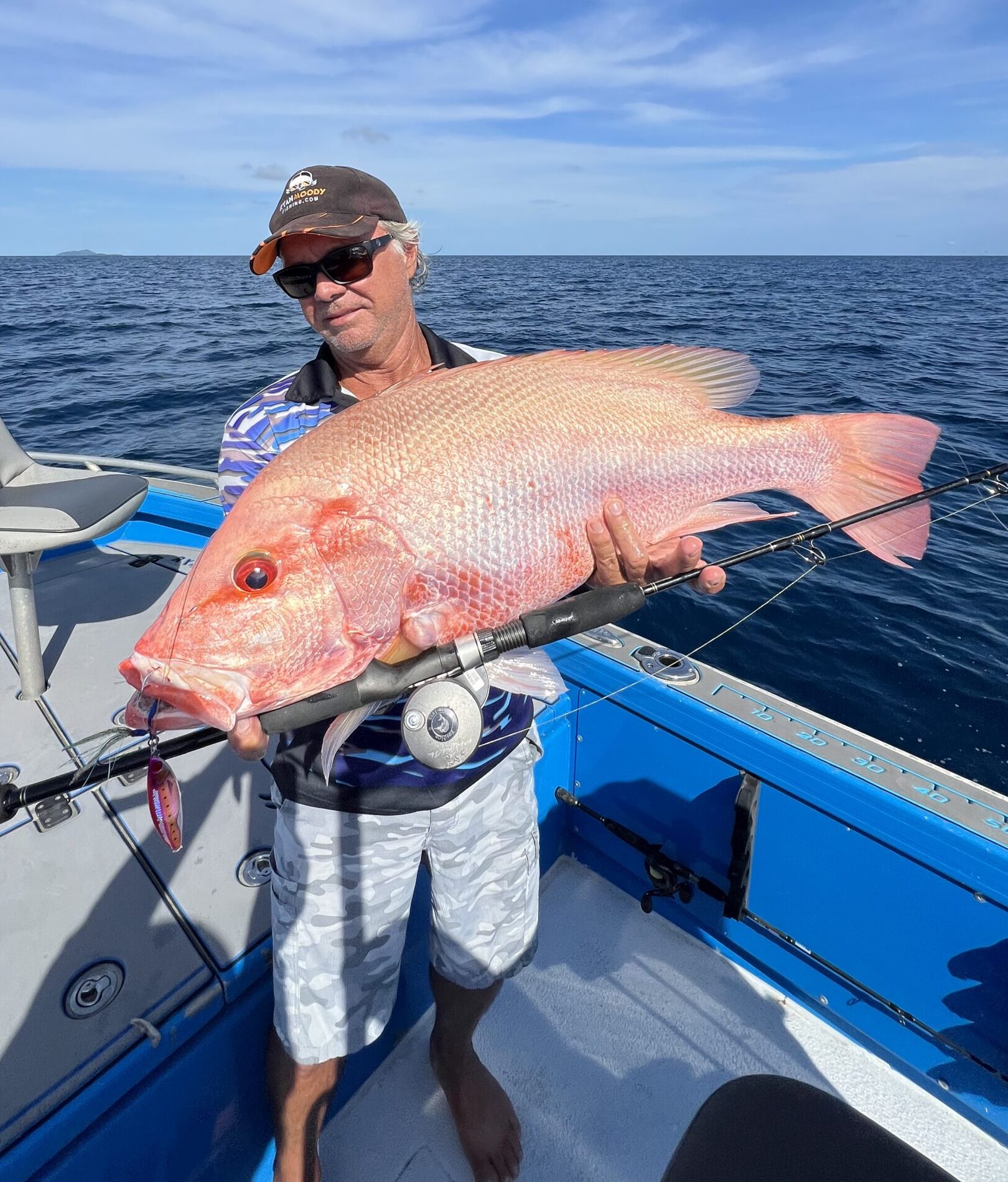
You don’t need every option tied on at once. You need a small, versatile spread that allows you to adapt as the run changes and as fish behaviour shifts.
From Offshore Fishing Tips to a Proven Framework
Mastering offshore fishing isn’t about knowing these things individually. It’s about putting them together into one clear strategy, and that’s where most anglers get stuck.
Offshore fishing can feel confusing. There’s so much water. So many variables. Tide charts that don’t match what you see. Good-looking ground that doesn’t produce. Shark-infested structure that used to fire. It can feel almost impossible to consistently nut out the patterns.
If you’ve ever planned an offshore trip, burned a heap of fuel and come home wondering what you missed… you’ll know exactly what I’m talking about.
Most anglers I speak to fall into one (or more) of these categories:
Inconsistent Results: You catch fish sometimes, but you can’t replicate it. One good day, two average ones. You’d love to consistently find a better class of demersal fish instead of simply ‘hoping’ you’ll land on them.
Lack of Clear Strategy: You’re not short on effort or gear. You might even have a solid offshore fishing boat, quality offshore fishing gear and a good fish finder. But you’re still guessing where to start and when to move.
Limited Time and Rising Costs: Fuel isn’t getting cheaper. Weather windows aren’t endless. You don’t have the luxury of experimenting all day. You need a system that helps you make better decisions faster.
That’s exactly why I’ve built our online course, Offshore Opportunities focused entirely on fishing for demersals inside the continental shelf in paddock country (areas other anglers don’t think to look).
It’s pretty much a masterclass in chart work, with some advanced sounder skills thrown in, some historical geology, fish behaviour, boat positioning and tackle techniques – so you can locate prized fish species in the least fished locations.
Features include: Ancient riverbeds, sharp drop-offs, prominent shoals, underwater spits, coral isolates, inner shelf rocks, open water rocks, trench rocks, wrecks, foraging shoals, rubble, growth and underwater spurs.
If you’re tired of fishing the same old marks, burning fuel running blind or feeding the taxman, this course will connect some dots.