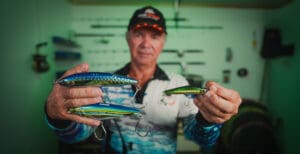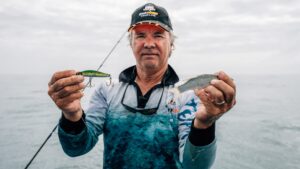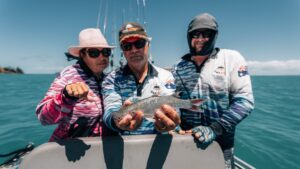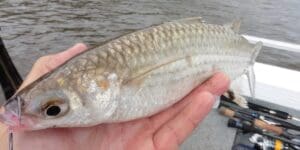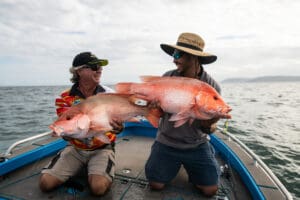



Using live bait is one of the most effective ways to catch quality fish, but only if you do it right!
After decades on the water, I still see anglers making the same simple mistakes over and over again when using live bait. These aren’t small issues either, these mistakes kill your bait, ruin your presentation and cost you fish before you even get a bite.
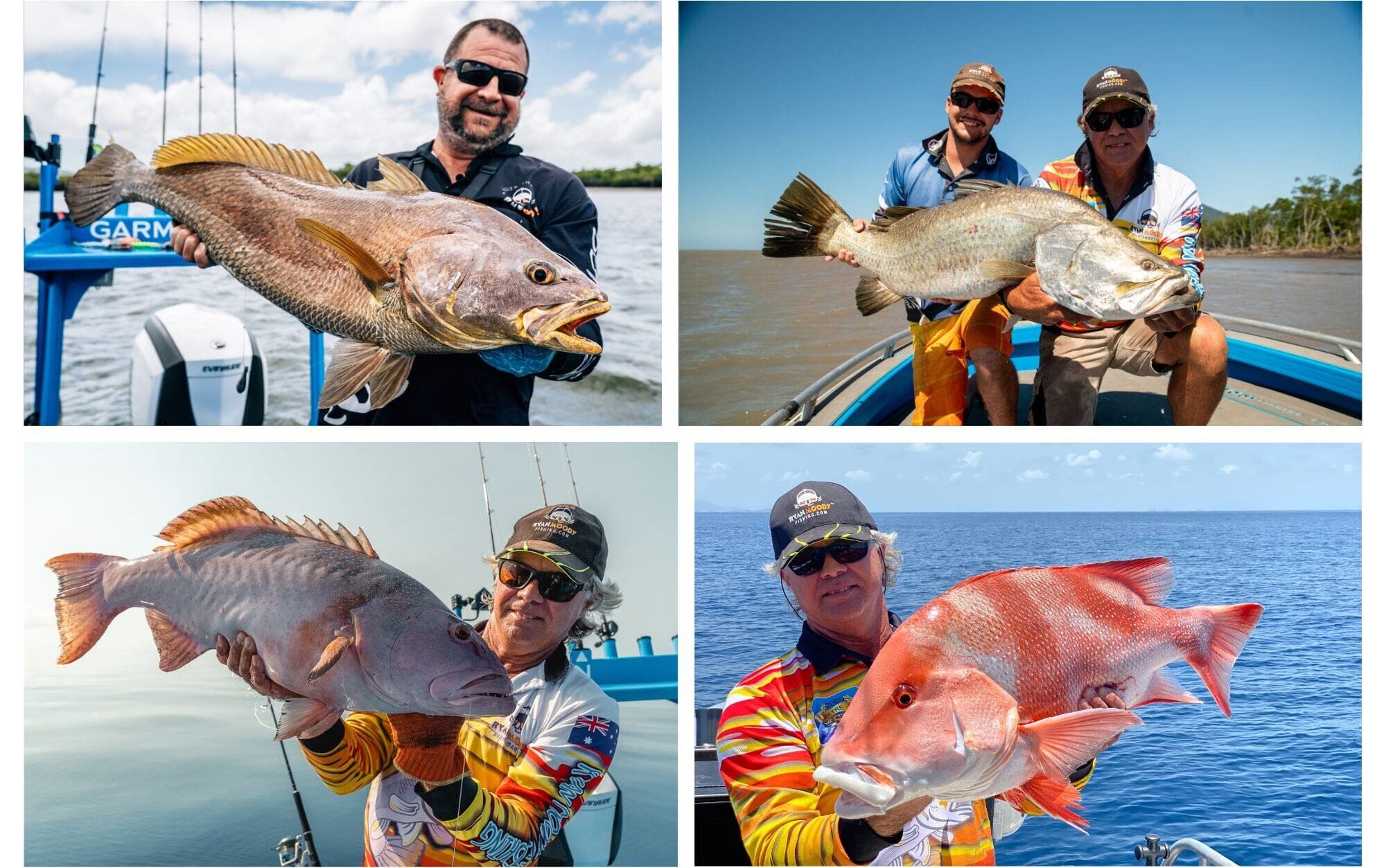
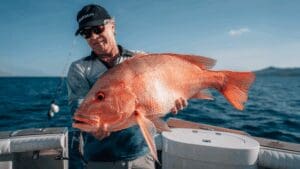
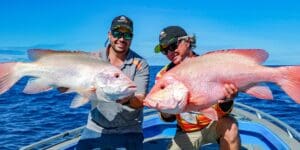
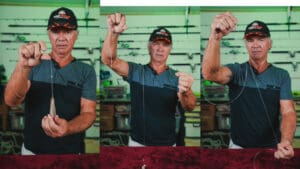
If you want to get better results using live bait like the ones above, you need to avoid these 6 critical mistakes. If you’d rather see this in action, I break down all 6 mistakes step-by-step in the video below.

1. Wrong Hook Size
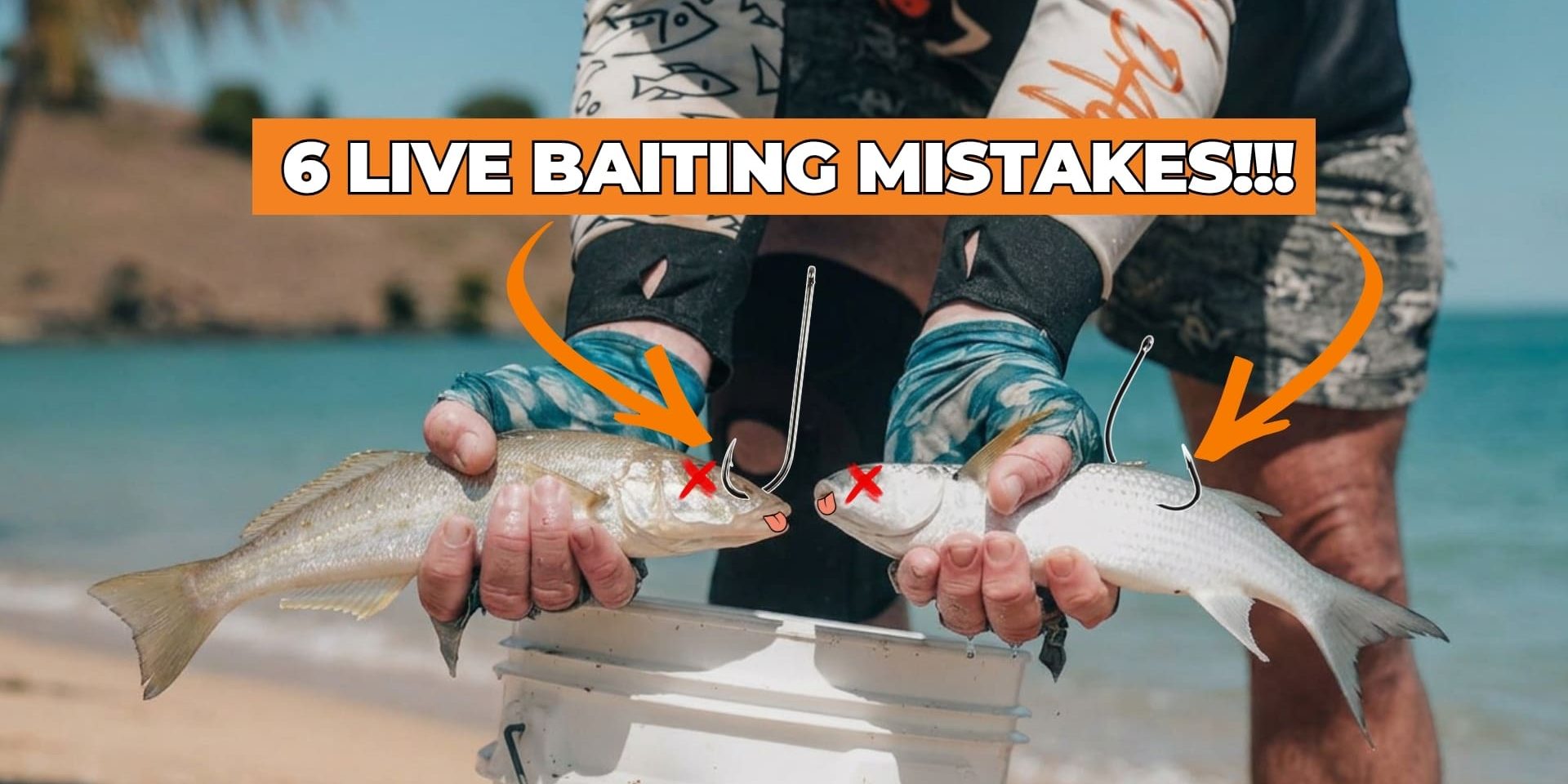
One of the most common mistakes I see when anglers are using live bait is choosing hooks that are way too big for the live bait they’re using.
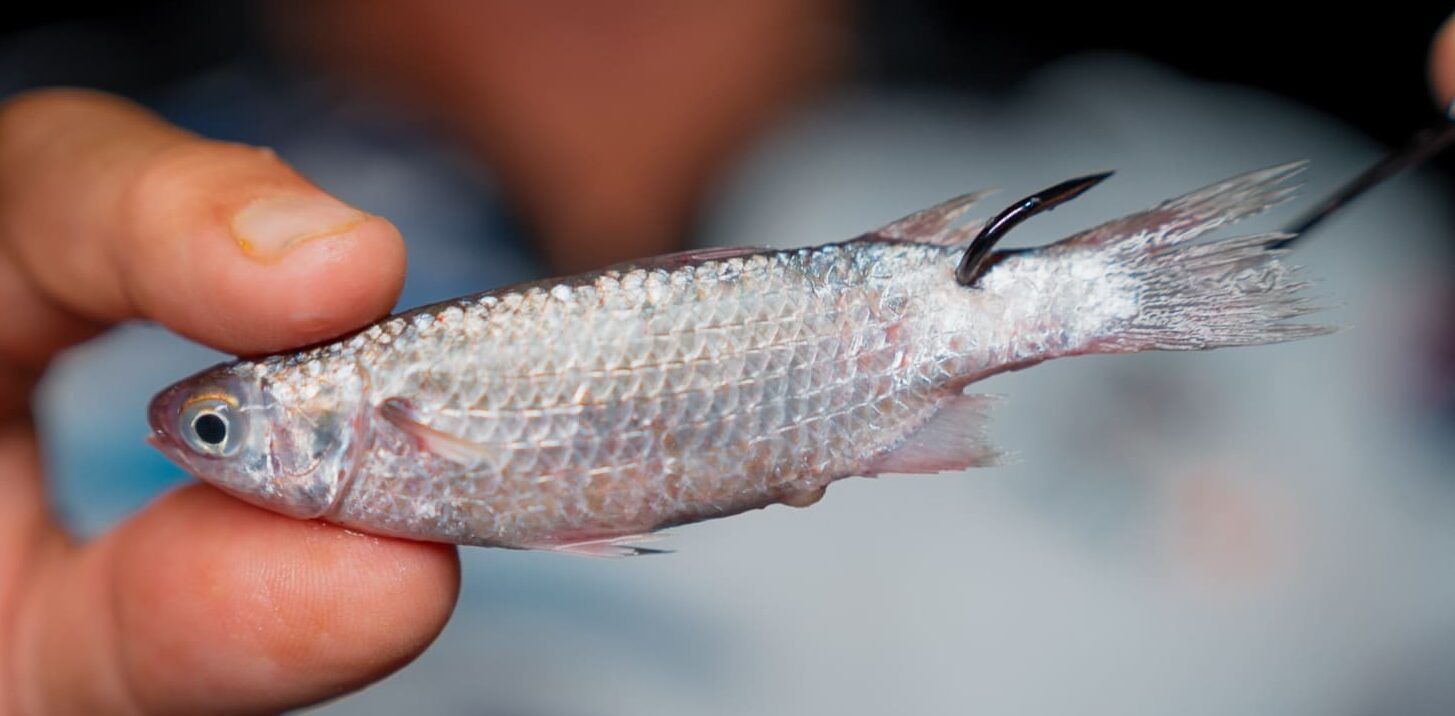
If your hook is oversized, it creates a large hole in the bait, and when you cast, the bait often flies off or dies quickly. When using live bait, hook size should always match the size of the bait.
2. Wrong Hook Position #1
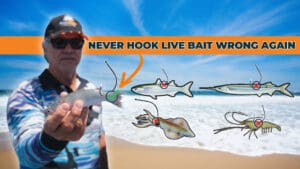
Another major mistake when using live bait is hooking it in the wrong location.
A lot of anglers pin their bait through the middle of the back, but this leads to poor presentation. The bait spins in the current, as it’s not aerodynamic, looks unnatural and dies quickly.
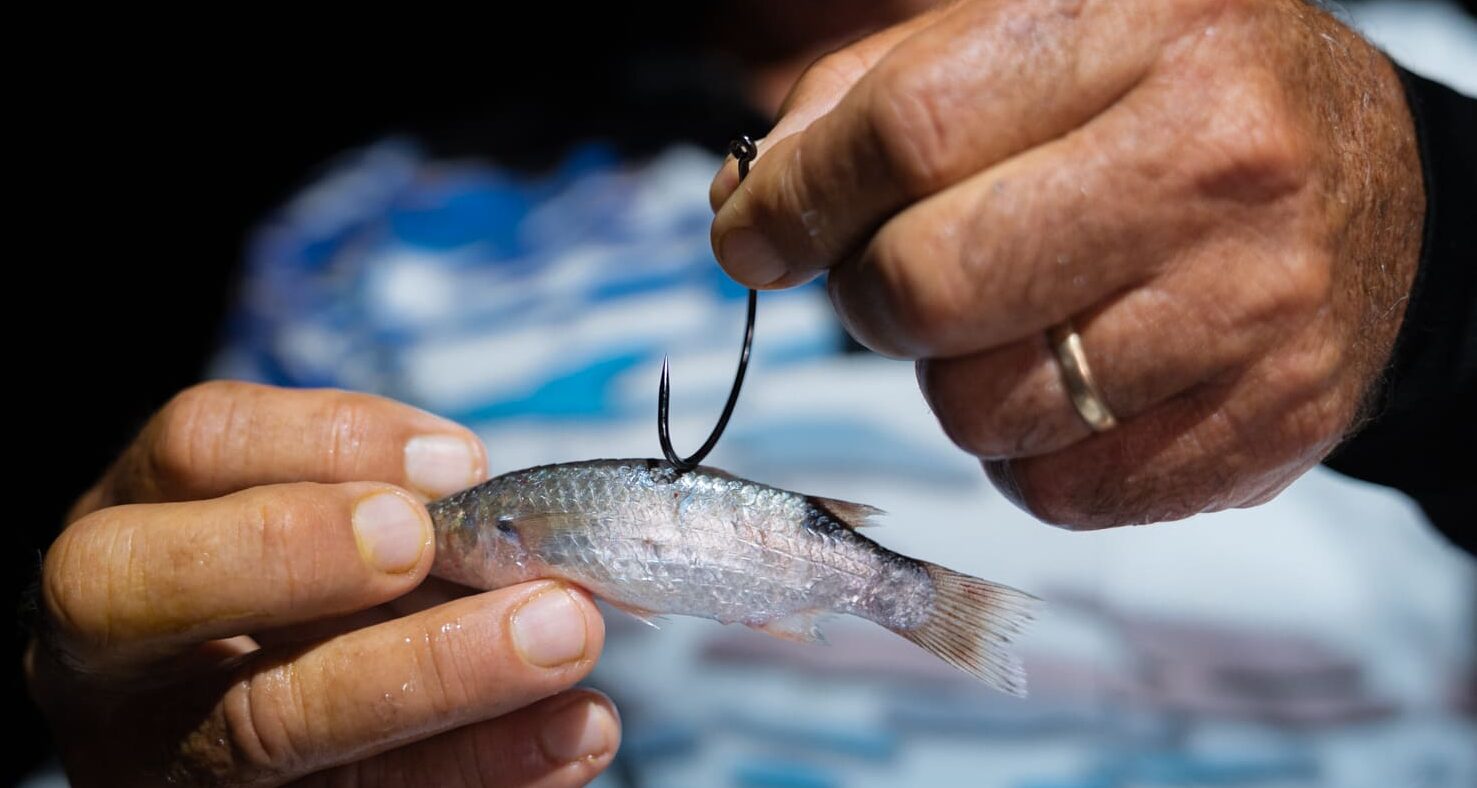
When it comes to the hook position, it depends on the bait you’re using:
Larger baits are best hooked through the nose.
Others through the front of eye socket.
Smaller baitfish are often better hooked near the tail.
If you want to get the most out of your live bait, you need to understand exactly how and where to hook it — check out our example rigging for small vs large mullet HERE!
3. Wrong Hook Position #2
This is another mistake I see all the time when people are pinning live bait.
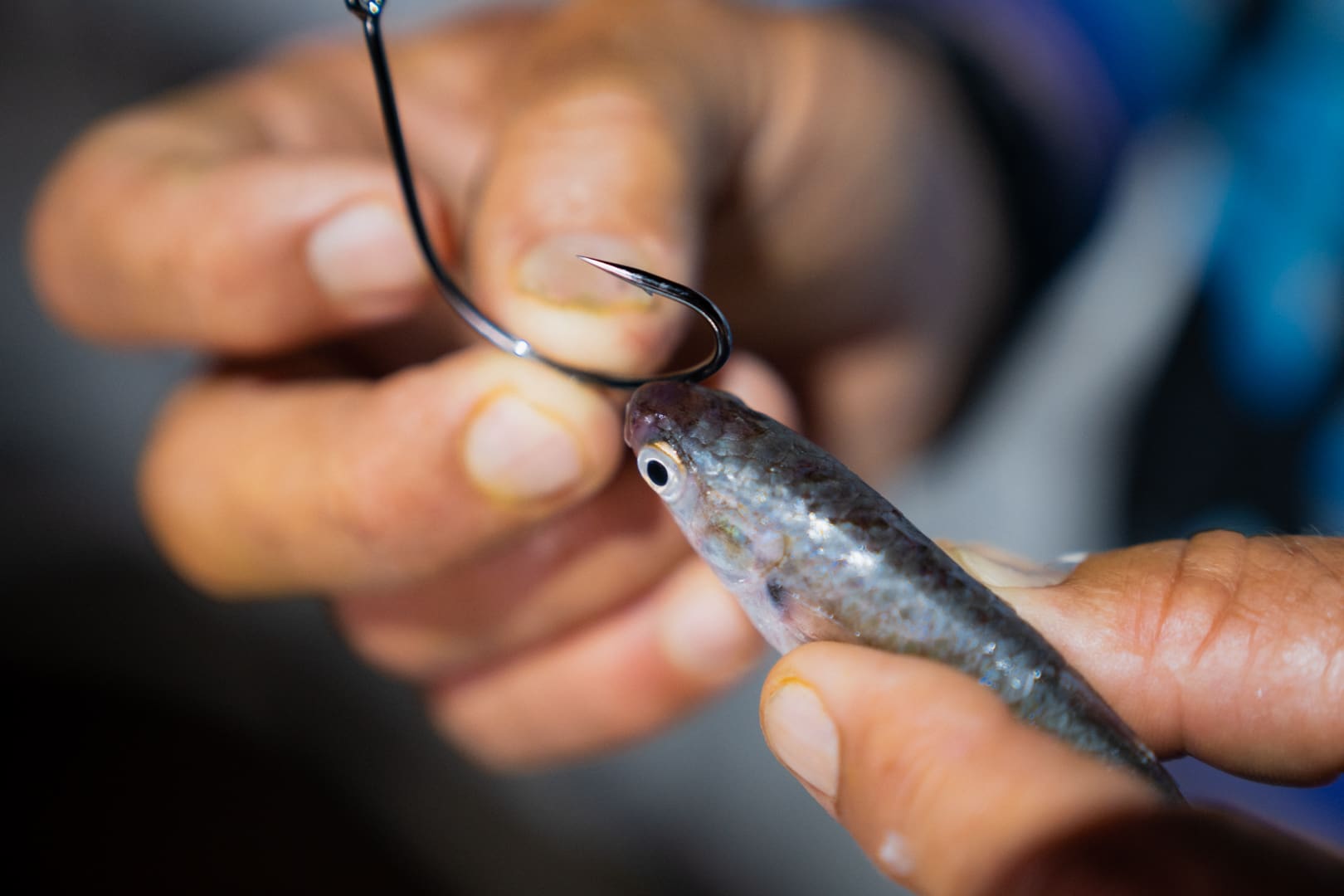
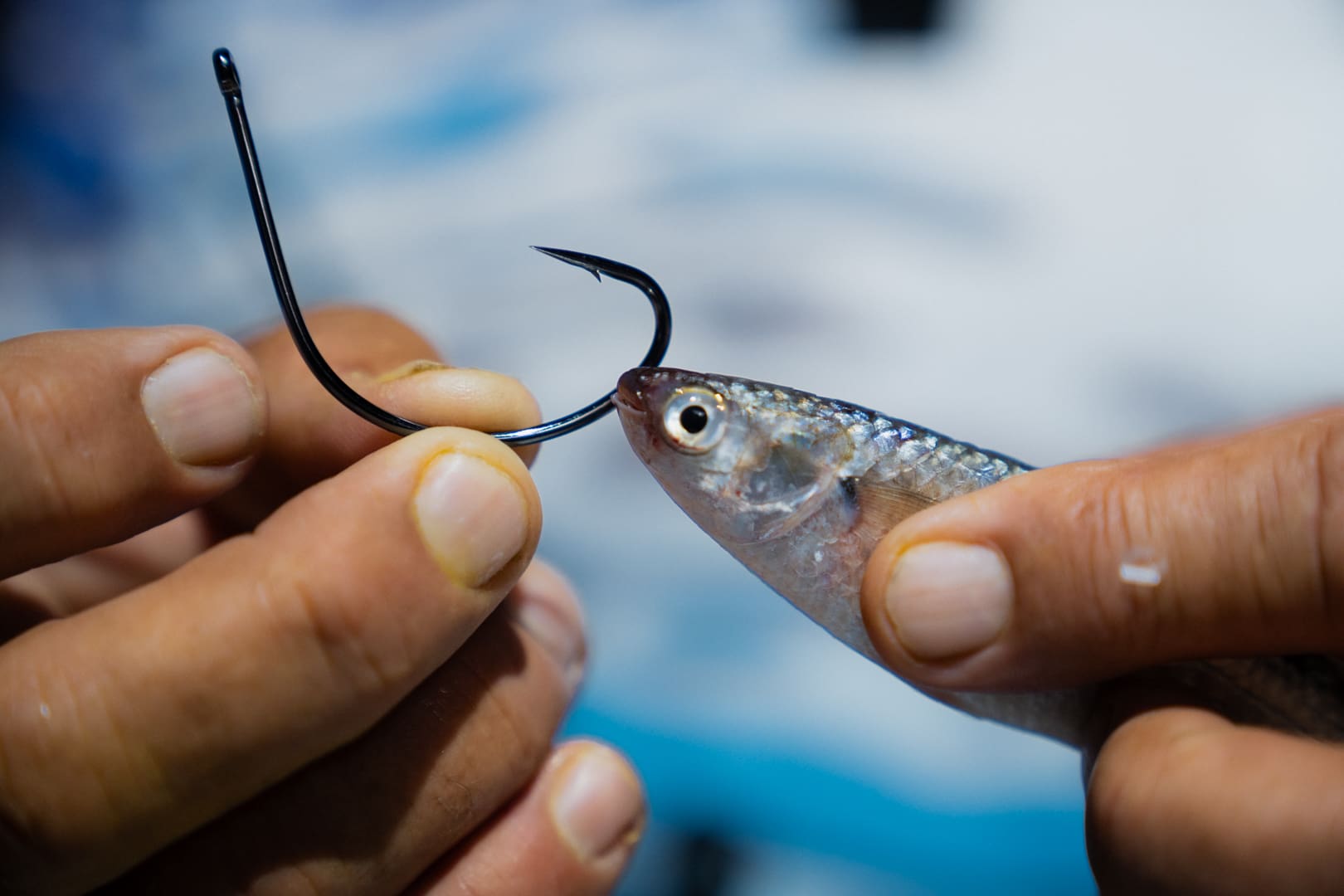
When pinning fish that are smaller in size, you’re far better off hooking them through stronger areas like towards the end of the tail. This keeps the bait alive longer and prevents it from tearing off during the cast.
4. Slow Bait Handling
If you’re catching live bait, this is one mistake you can’t afford to make.
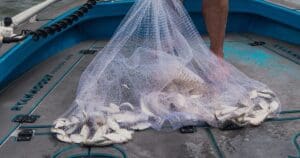
I constantly see anglers throwing a cast net, then leaving their bait sitting on hot sand while they sort things out or running down the beach to grab their bait bucket. During that time, the bait is losing scales, overheating and dying.
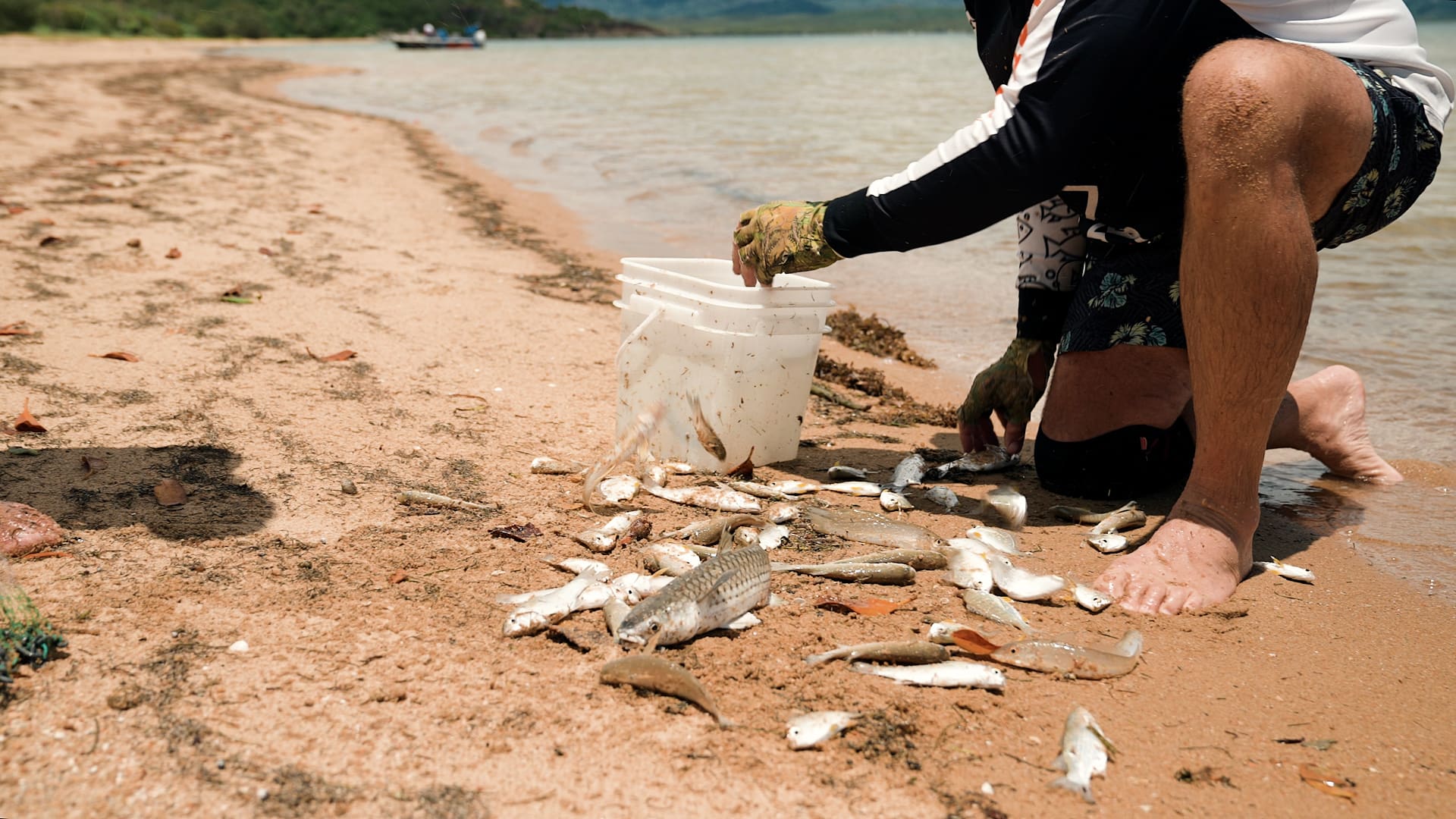
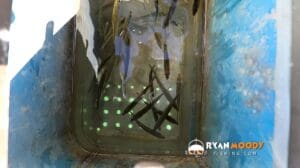
That’s why having your live bait bucket or live bait tank ready before you even cast is critical when catching & handling live bait.
5. Overcrowding Your Live Bait Tank
Another big issue I see when anglers are using live bait is overcrowding the live bait tank/bucket.
Putting too many fish into a small space leads to:
Fish colliding with each other
Scale loss
Reduced oxygen levels
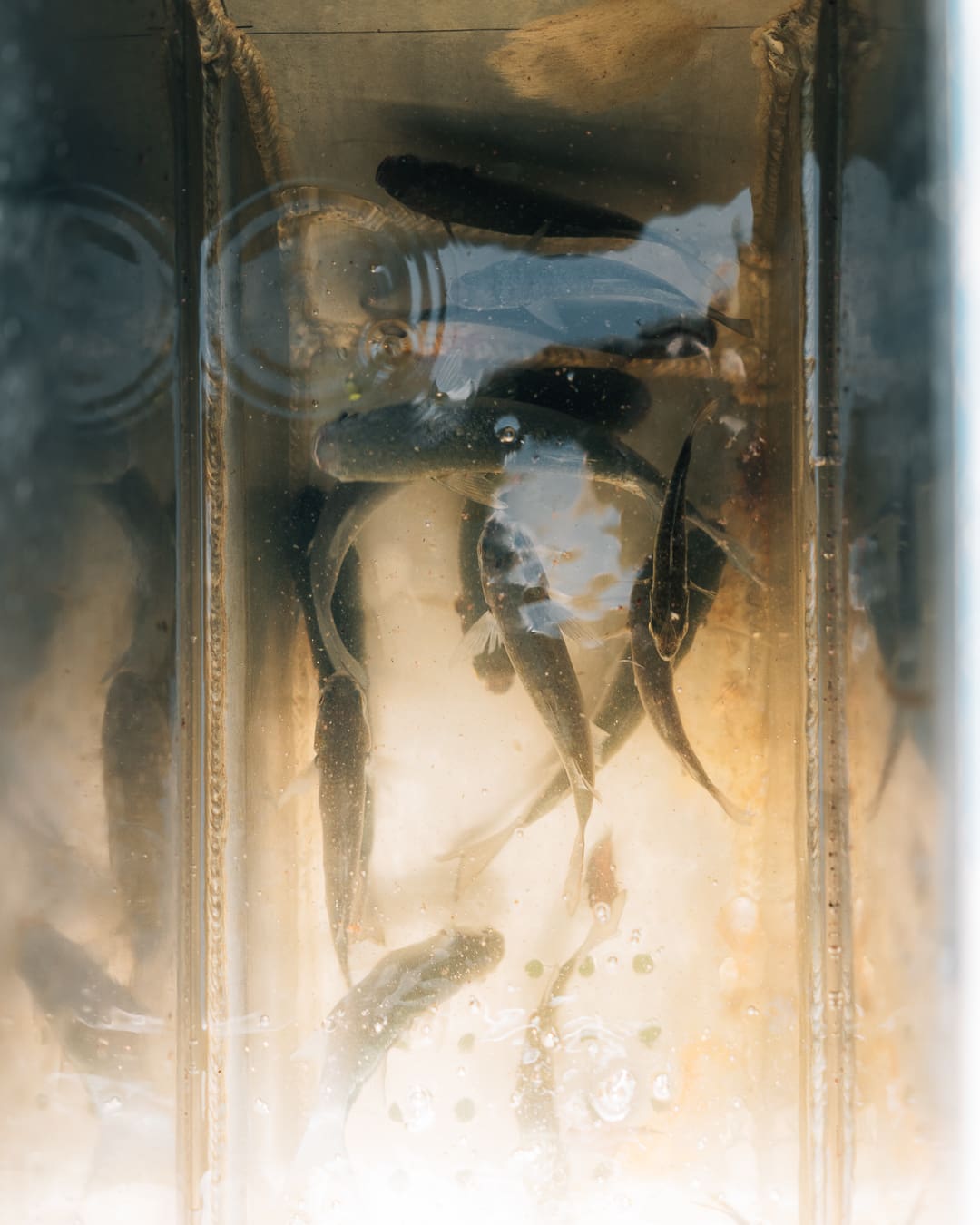
A proper live bait setup isn’t just about having the right gear; it’s about managing how many baitfish you keep and how you handle them.
6. Using Wrong Hooks for Live Bait
The final mistake I see when using live bait is anglers choosing the wrong style of hook.
Long shank hooks designed for strip or chunk baits don’t work well when using live bait. When a fish strikes the bait, it usually engulfs it whole, and those long shank hooks won’t set properly in that situation due to their shape.
The result is missed hookups and lost fish!
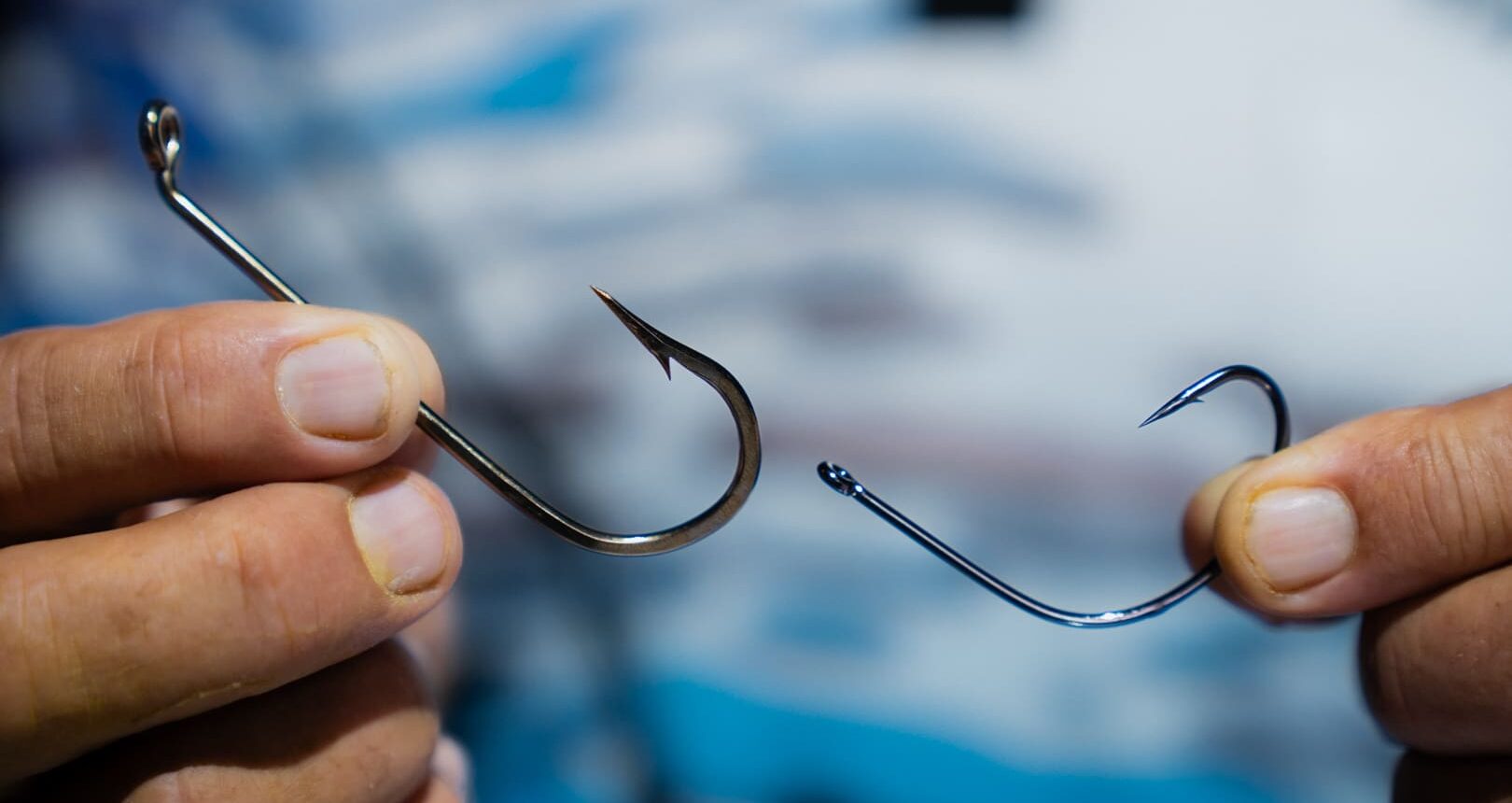
If you’re serious about using live bait effectively, you need to be using the correct live bait hooks designed for that purpose.
Bonus Tip: Using the Right Live Bait Matters Most
Avoiding these mistakes is a massive step forward, but there’s another piece most anglers still get wrong when using live bait.
They’re not using the right bait for the species they’re targeting.
Different fish have different preferences and if you’re not matching your bait to what they’re naturally feeding on, you’re making things harder than they need to be.
That’s why I’ve put together a FREE CHEAT SHEET with my go-to live baits for species like flathead, barramundi, GTs and more.