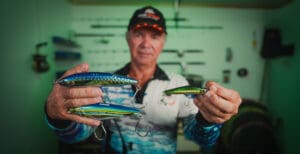


Vibes are one of the most popular lures for jigging deeper positions in estuaries and inshore waters. For years, fishing with vibes for species like barra, fingermark, trout and snapper has been quite popular.
But here’s something I’ve noticed over time…
If you’re fishing with vibes and marking fish clearly on the sounder, yet they’re not committing, the problem usually isn’t location – It’s presentation!
And more specifically: It’s what happens on the fall.
In this guide, I’ll break down:
-
Why vibes work
-
Where they fall short
-
Why fish strike on the drop
-
And why sinking stickbaits are often a better alternative
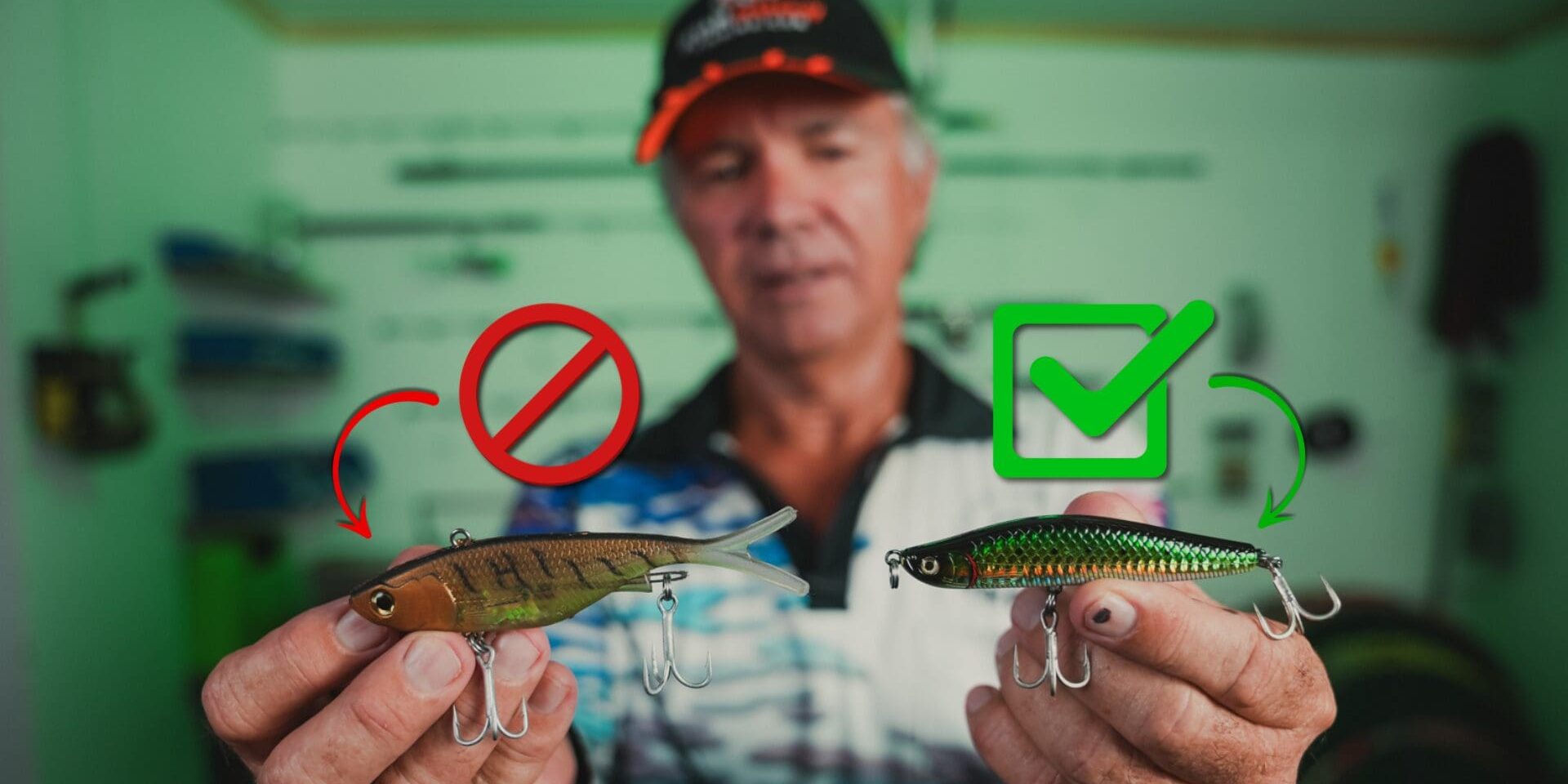
We’ve also filmed a full on-water demonstration comparing both lures that you’ll find further down the page.
Why Fishing With Vibes Became So Popular
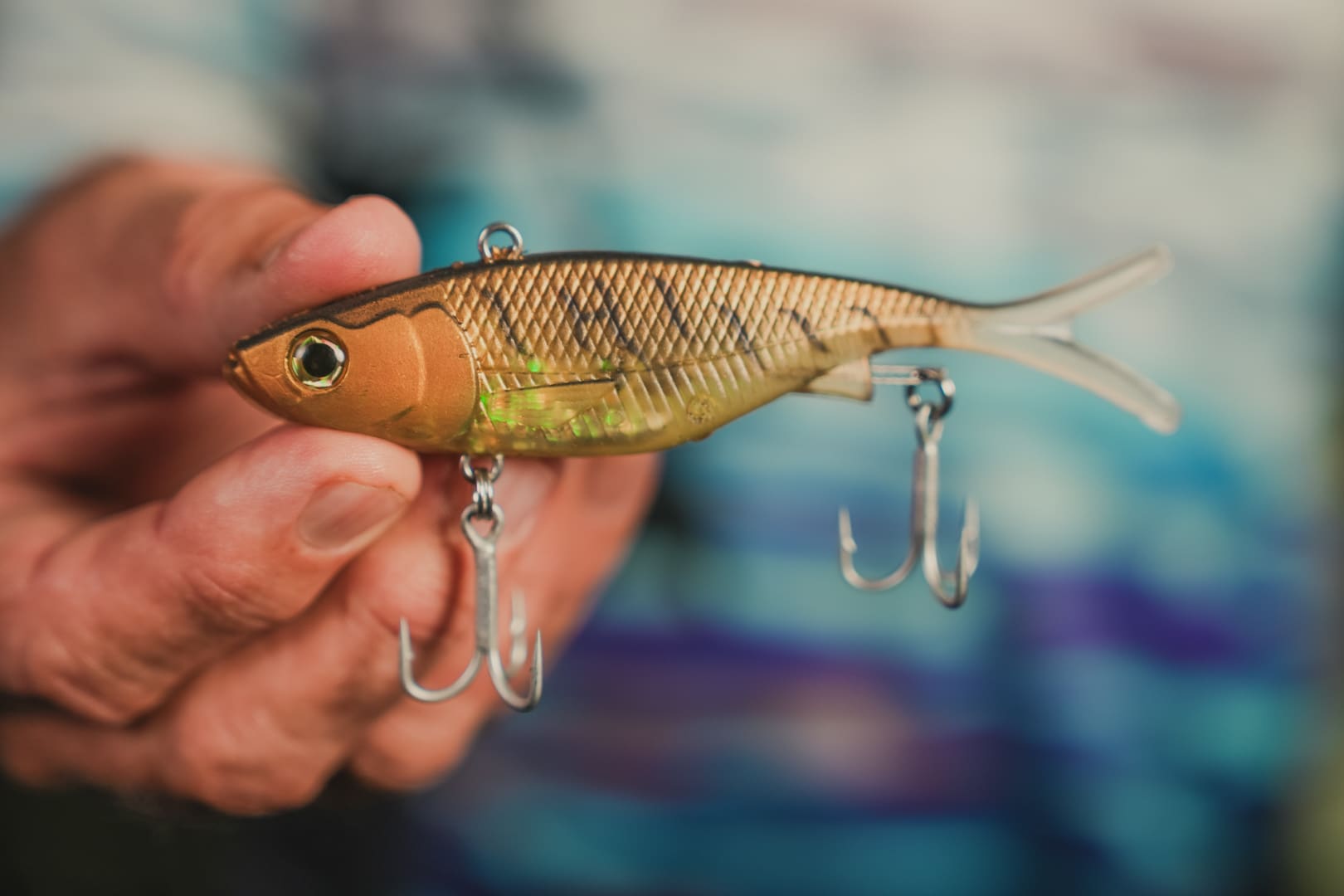
 ) – the quick catch vibe.
Let’s be clear, vibes absolutely work!
They’re versatile, easy to fish and they trigger reaction bites when fish are active.
When fishing with vibes, most anglers:
-
Lift and let them vibrate upward
-
Drop them back to the bottom
-
Vary the retrieve speed
-
Try erratic lifts or slow pulses
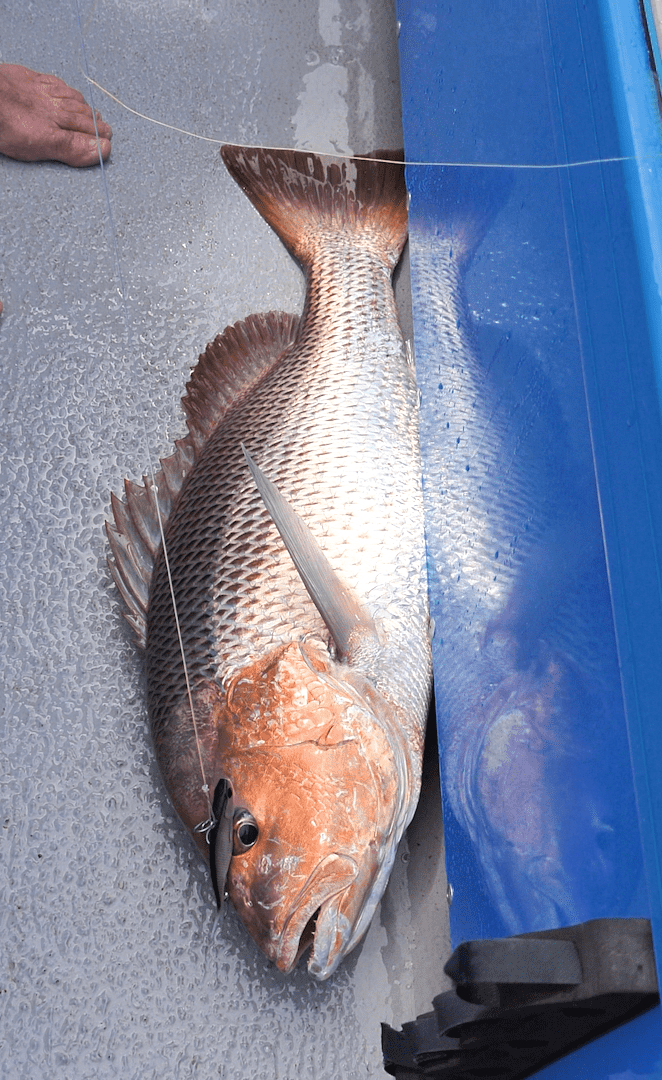
And on aggressive days, vibes are often enough. But there’s one technical detail most anglers overlook.
The Big Detail Most Anglers Miss
Most demersal species don’t strike on the lift, they strike on the fall.
When you’re jigging over structure, the majority of bites happen as the lure drops back down toward the bottom.
Now think about how a vibe falls. Most vibes are weighted toward the front.
That means they:
-
Nose dive
-
Fall quickly
-
Drop straight down
-
Reach bottom fast
That fast sink rate shortens the strike window.
If a fish only has a split second to decide whether to eat and the lure rockets past its face… you’ve just reduced your chances.
That’s the core issue.
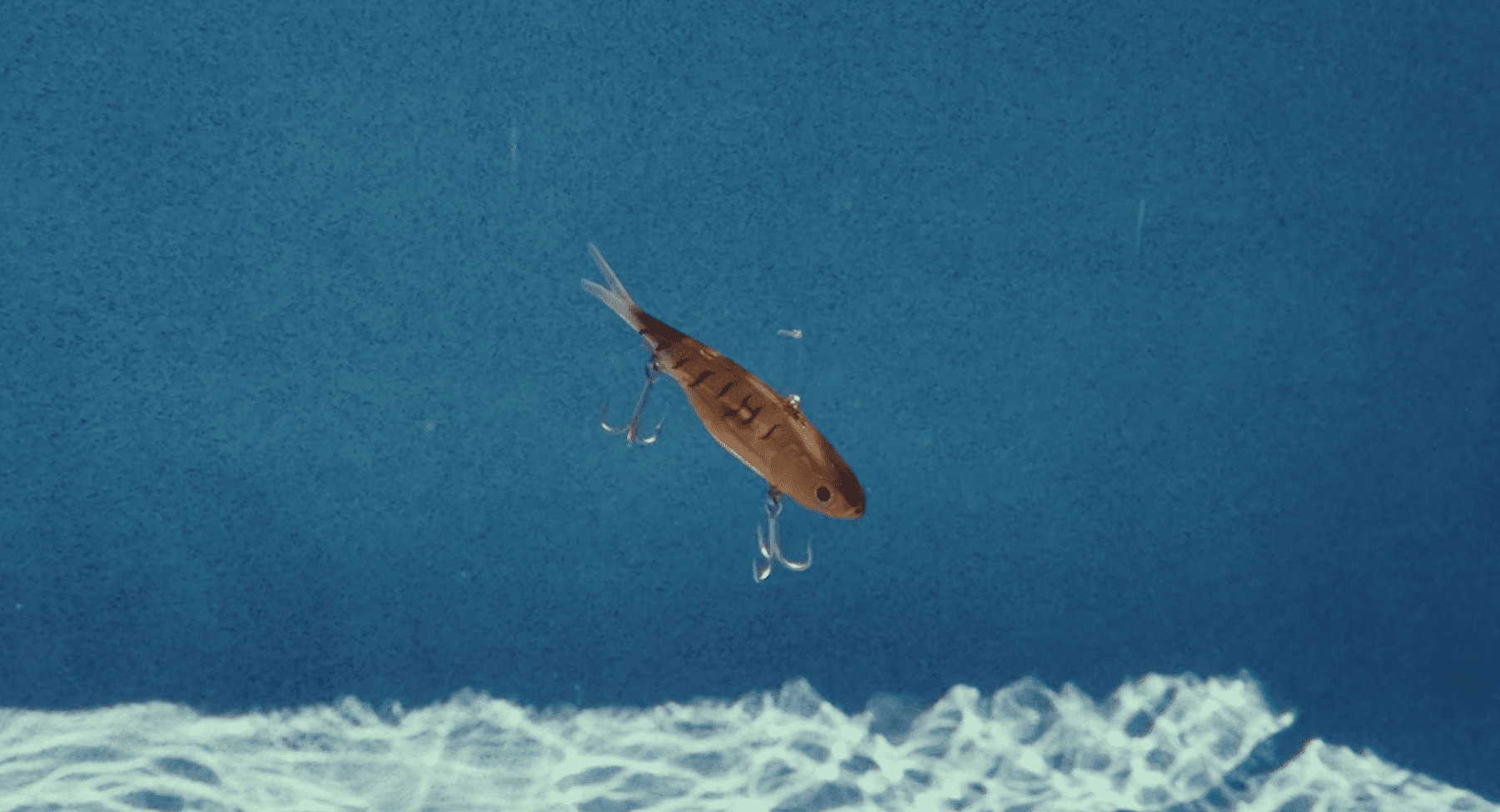
Why Fish Strike on the Fall
When demersal fish are held tight to structure or clustered into a school, it’s generally a non-responsive period for them (e.g. they are not on the hunt or foraging).
This is when most anglers target them because they find a school on their sounder.
During these times, you are relying on reaction bites.
When a baitfish is injured, it doesn’t vibrate aggressively upward.
It flutters, stalls, wobbles and suspends slightly while sinking. Mimicking this action on the fall is what triggers a reaction bite.
If your lure drops like a rock, you remove that moment. And that’s often why anglers say: “Fish are there… but they won’t bite.”
But it’s not that they won’t bite. It’s that the lure isn’t giving them enough time to react or stimulating a reaction.
Why Fishing With Vibes Can Cost You Bites
When you’re fishing with vibes:
-
You get strong vibration on the lift
-
Then a fast, nose-heavy fall
-
Limited hang time
-
No flutter on the fall.
In shallow water or when fish are fired up, that can be fine.
But in deeper water, especially when fish are holding tight to the bottom, that quick drop can limit reaction time/stimulation.
And if most bites happen on the drop, that’s where the problem sits.
The Alternative: Sinking Stickbaits
This is where sinking stickbaits come into play. They’re fished in a similar vertical jigging style, but their fall is completely different.
Instead of nosediving, they:
-
Sink slower
-
Flutter and wobble
-
Stay suspended longer
-
Look like an injured baitfish
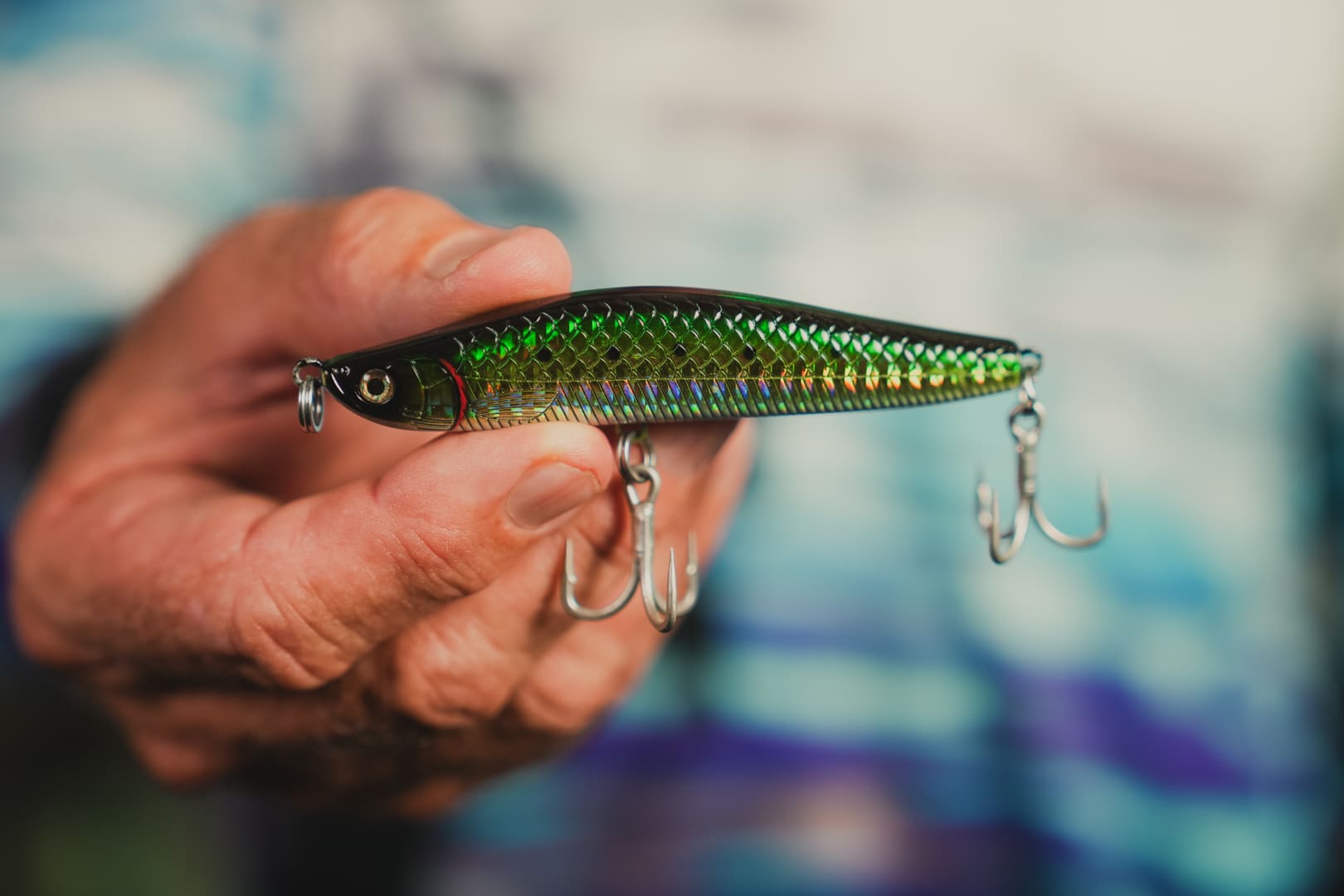
That slower fall increases the strike window and gives fish more reaction time, because the lure is kept longer in the strike zone.
It also creates a more natural presentation of an injured baitfish.
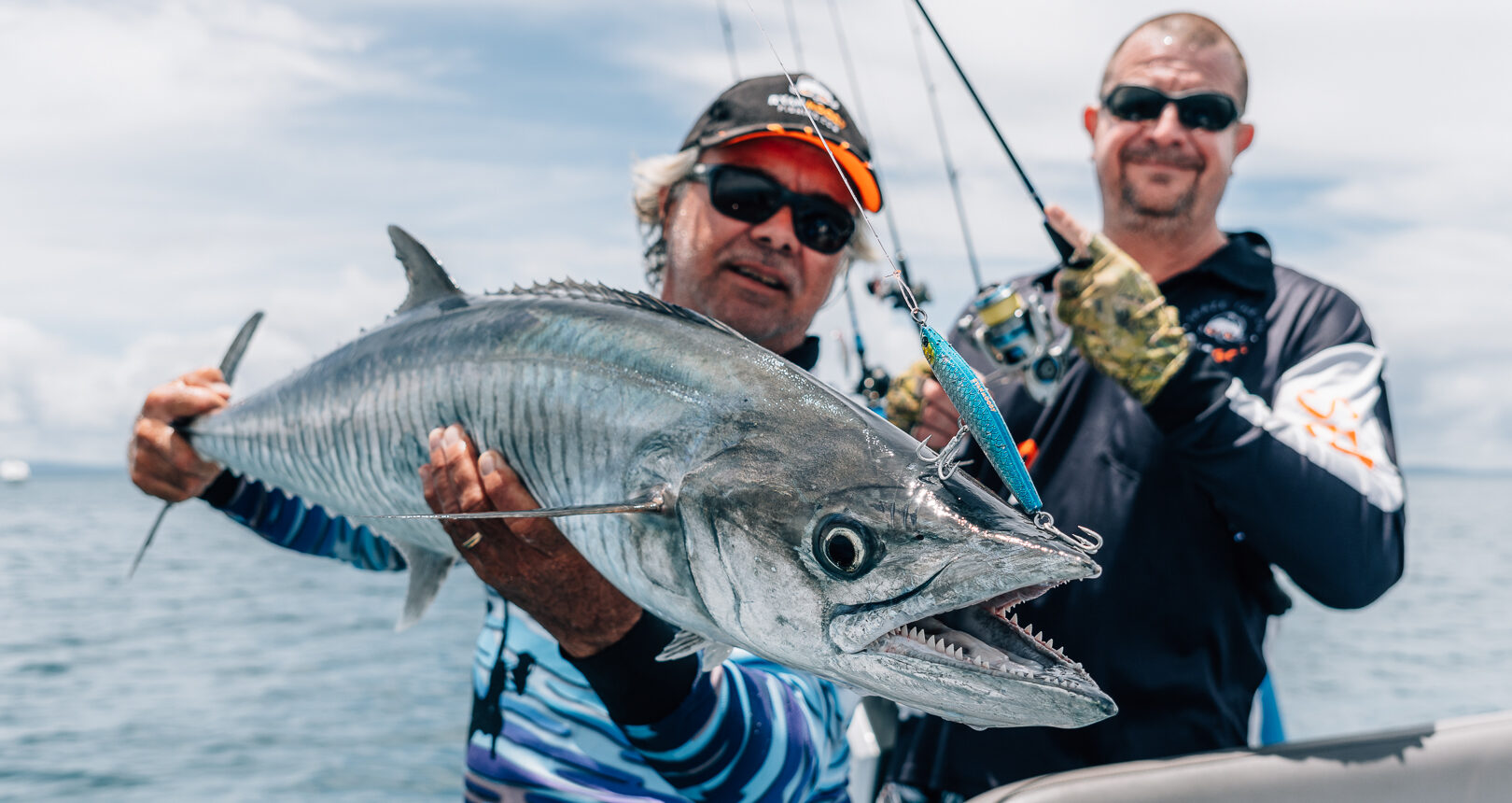
Fishing with Vibes vs Sinking Stickbaits in Comparison
We filmed a full comparison showing both lures in action. Once you see the fall side by side, it makes sense immediately.
How to Fish Sinking Stickbaits Properly
You don’t fish them exactly like a vibe. Here’s how:
1. Let it fall naturally.
Don’t stay tight to the lure or you’ll restrict its action.
2. Keep slight slack in the line.
This allows the flutter to work properly.
3. Watch your line closely.
Most bites happen on the drop. A sudden twitch or slack line usually means a fish has eaten it.
4. Use a variety of lifts.
Slow stabbing motion (mimicking a fish about to die), sometimes just a fast lift upwards.
They’re particularly effective:
-
Over structure
-
In deeper water
-
On aggregated demersals
-
During slower bite periods
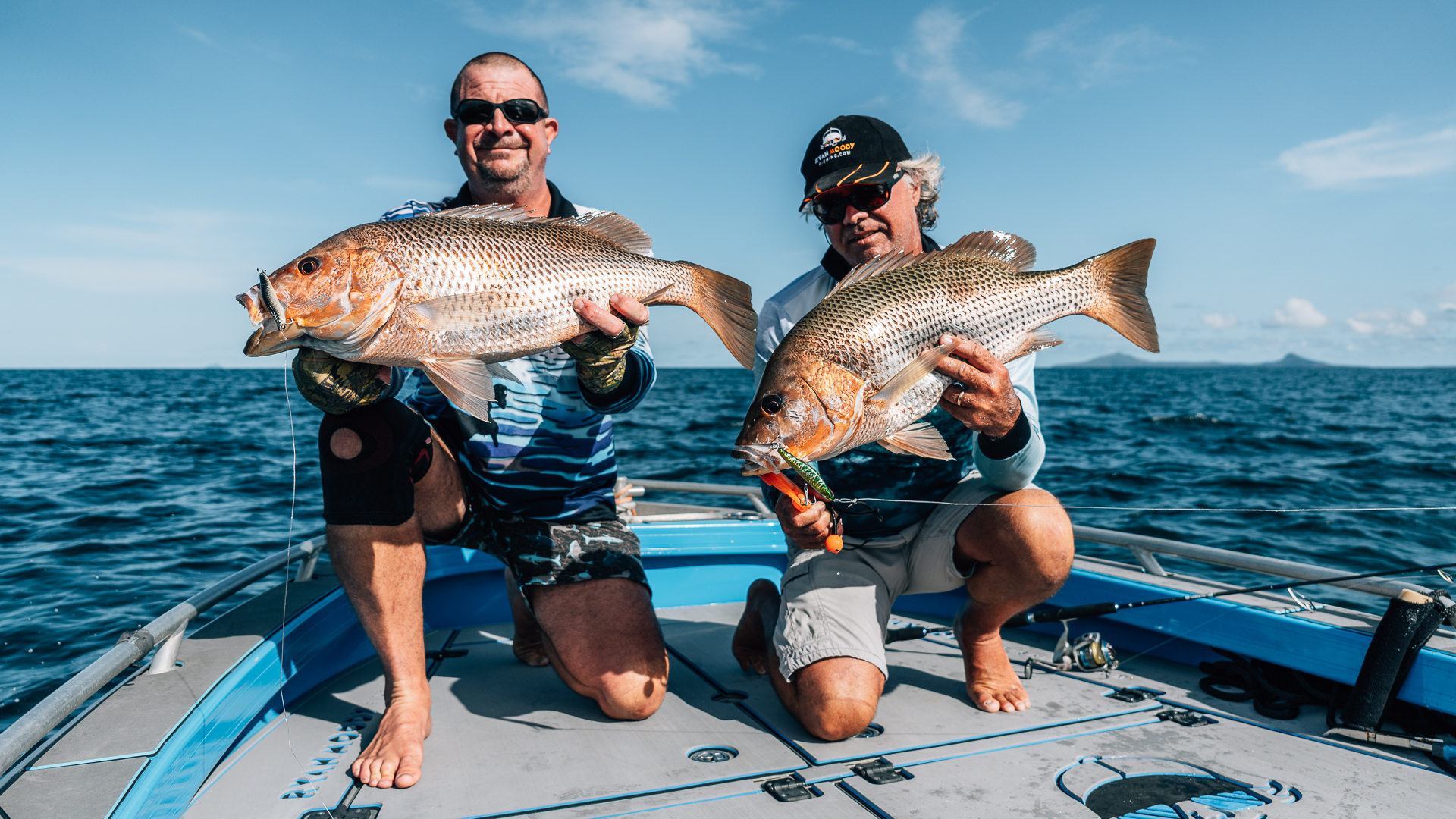
If you want to try them, our Pillager Sinking Stickbaits were designed specifically to maximise that flutter on the fall.
 Pillager Sinking Stickbaits are available in our shop.
It’s Not Just About Lures. It’s About Positioning
Switching from vibes to sinking stick baits can absolutely increase your bites.
But here’s the truth: It’s still only part of the equation.
Because if you’re not positioned properly over fish, you’re still guessing.
A huge percentage of missed opportunities comes from:
-
Fishing slightly off the structure
-
Not being vertical enough
-
Misreading the depth
-
Not understanding how fish are holding
If you don’t understand what your sounder is showing you, you could be jigging perfectly, but just not in the right place.
That’s why lure choice and fish positioning go hand in hand.
Quick Update, The RMF Shop Has Reopened
After being shut since September 2025, the RMF shop is finally back open again.
A lot of people have been asking about the gear we used to stock, especially the lures and hooks, so we’ve slowly started bringing some of the favourites back online.
Pillager – Sinking Stickbaits: are back, which makes sense because the shimmy and flutter on the fall is exactly why they’ve become one of my favourite alternatives to vibes for demersals. Instead of just vibrating on the lift, they imitate an injured baitfish quivering on the drop, which is where a lot of bites happen.
Scaleblazer – Hardbody Lures: They were originally designed around shallow water barra fishing during my charter years, but over time we found they work exceptionally well casting reef flats and shallow structure for all sorts of aggressive fish.
Levitator – Slow Pitch jigs: Their offset keel and slow fluttering fall creates a really erratic action that bottom dwellers struggle to ignore, especially when fish are feeding lazily or sitting tight to structure.
Jaw Jerker – Kahle Hooks: Good hooks matter more than people think, especially when fishing livies or bigger fish where holding power becomes critical. Available again as well in 6/0 and 7/0 sizes.
Outback Tonic Sunglasses: After 30 years of charter fishing, I still rate good optics as one of the most underrated tools for spotting bait, structure movement and reading conditions properly, especially in glare and dirty water.
Anyway, good to finally have the shop back up and running again after the break.
Want to Improve More Than Just Your Lure Choice?
If you want to:
-
Stop guessing where fish are holding
-
Understand what you’re seeing on your sounder
-
Know when fish are stacked and when they’re not
-
Fish on the fish consistently and come home with a good feed of fish
Start with our FREE Sounder Training.
It gives you the bigger picture of how fish relate to structure and how to position yourself properly.
Grab the FREE Sounder Training here.
Because at the end of the day, the right lure matters, but fishing in the right spot matters more.