


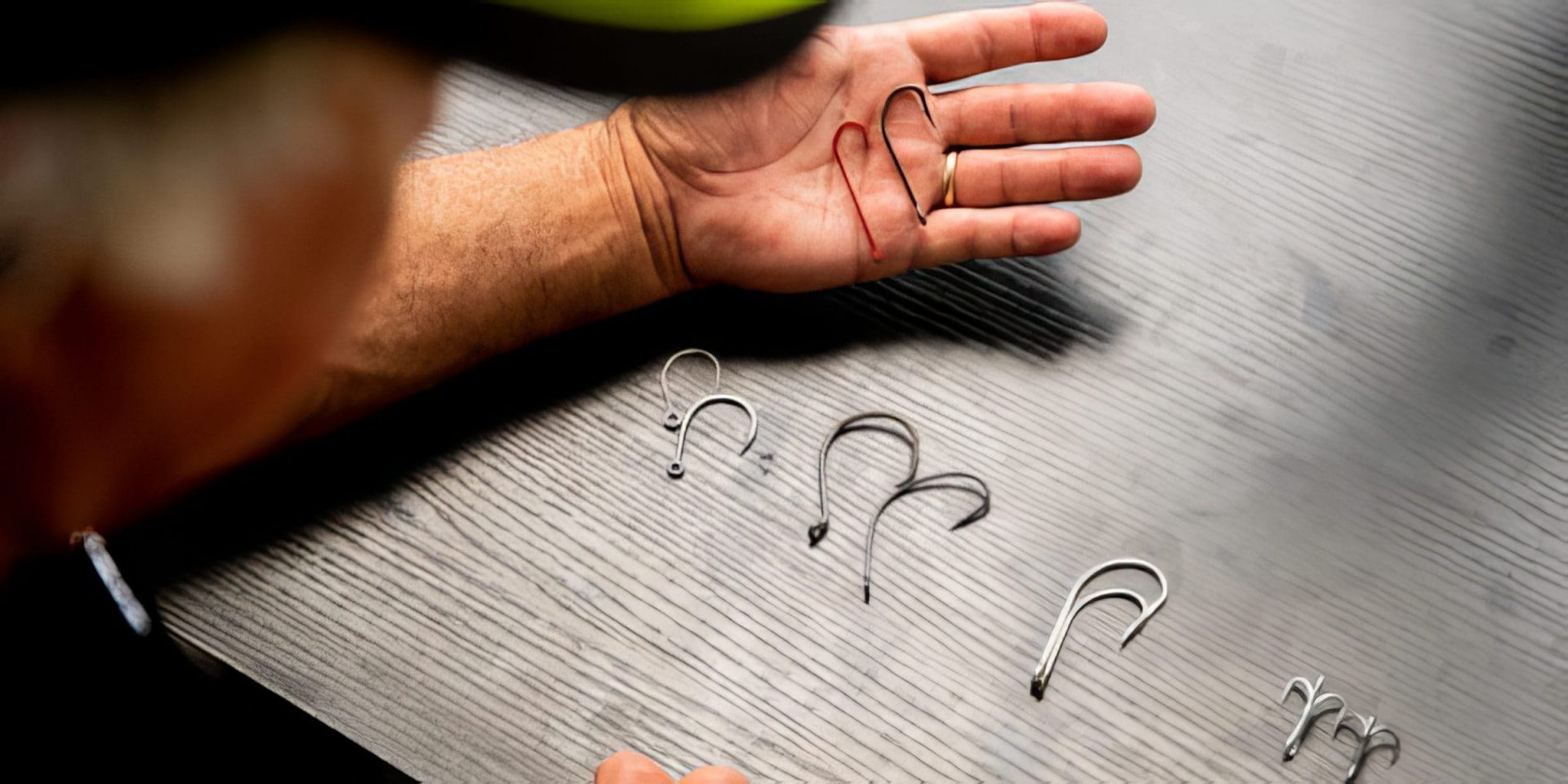
There are so many fishing hook types out there that it’s easy to overthink it. Most people just want to know what type of fishing hook to use for what they’re doing.
Getting this right will increase your hook up rate as you’ll be using the right hook for your chosen fishing method.
In the video below I run through the hook types I rely on and how I use them in real situations. It’s a quick watch, but it’ll clear up most of the confusion straight away.

My Top 6 Fishing Hook Types (And When to Use Them)
1. Long Shank Hooks (Best for Dead and Strip Baits)
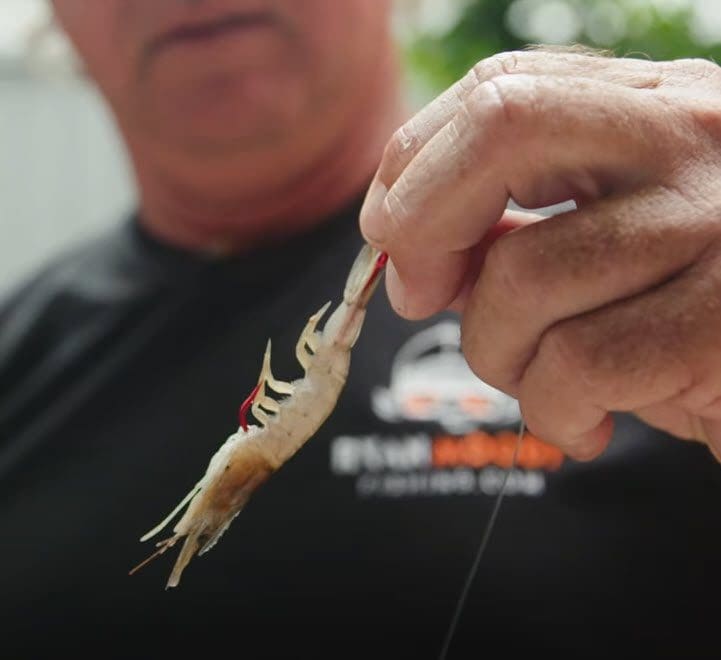
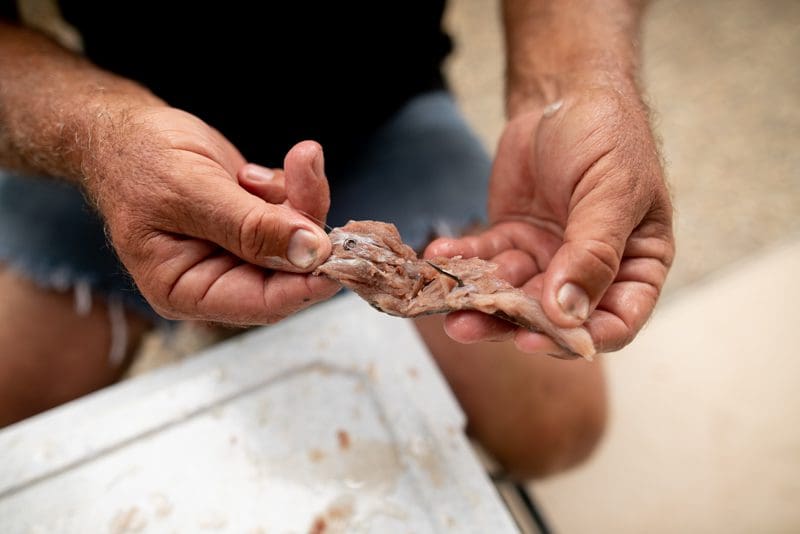
Long shank hooks are best used for dead baits such as a) strip/fillet baits or b) yabbies and peeled prawns.
Strip baits are ideal for foraging species and I’d like a $1 for every trophy reef fish I’ve caught over the years on a well presented strip bait.
Smaller species like whiting and bream cannot resist a well presented prawn.
The reason long shanks work so well is simple. They help keep the bait straight and natural instead of bunching up.
If your bait doesn’t look right, it won’t get eaten. Simple as that.
2. Short Shank/Circle Hooks (Best for Live Bait Fishing)
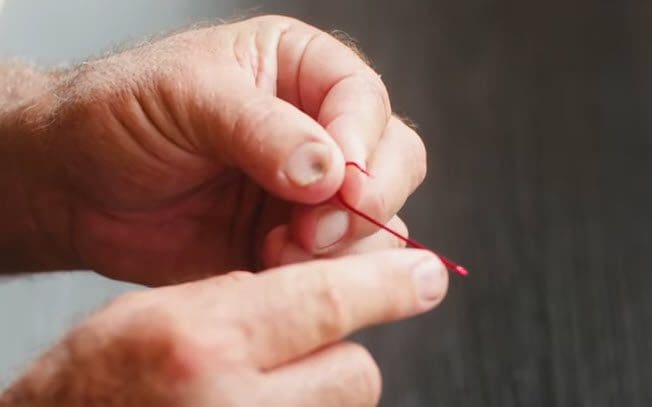
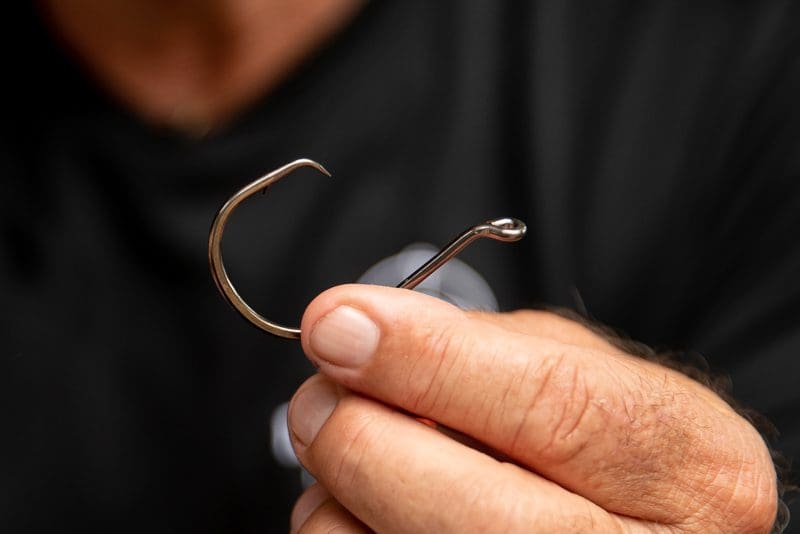
For live bait I pretty much exclusively use a Kahle pattern which is a semi circle hook.
But a full circle is fine as well if that is your preference.
Circle fishing hooks are best fished with the rod in the holder and let the fish hook itself.
In doing so you’ll get a 90% hook up rate in the side of the mouth and avoids gut hooking fish.
Makes removing the hook so much easier.
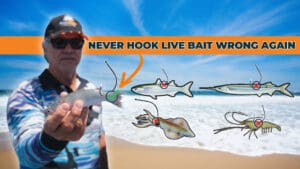
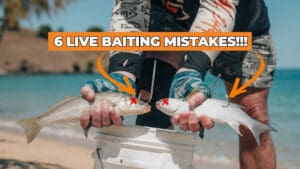
We have a tip on how to rig your live bait here.
Kahle hooks are sometimes a bit hard to source, but you can grab them online at Anglers Warehouse.
3. Tarpon Pattern (Best for Swimming Baits & Ganged Hooks)
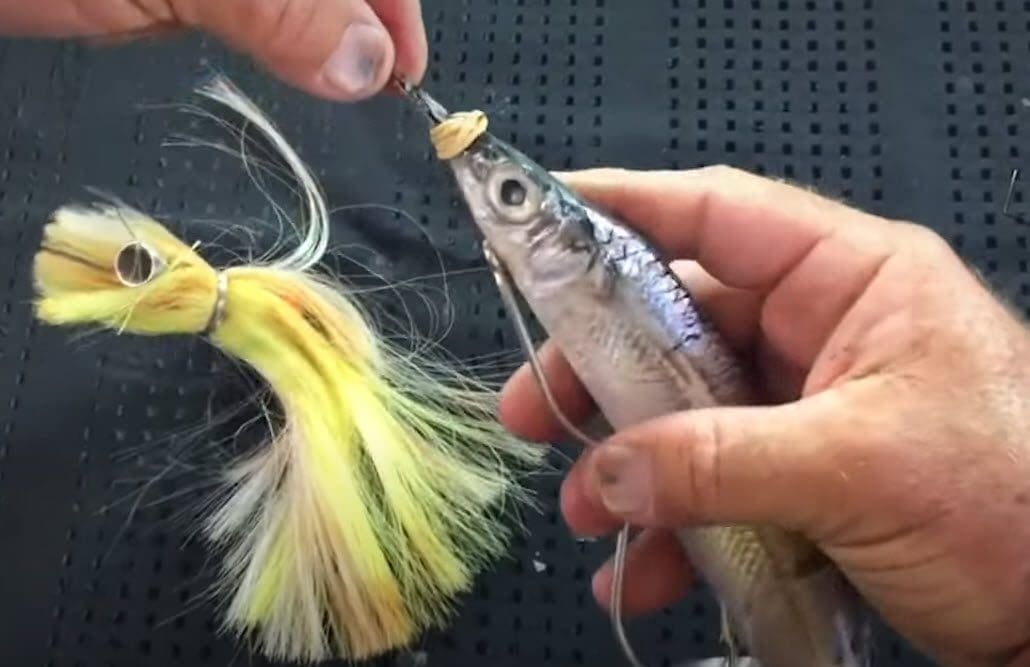
The tarpon pattern (7766) is one of the most versatile fishing hook types out there that have a reasonable shank so can also be used for strip baits.
But the most common use is for game fishing using swimming baits or ganged behind a wog head.
Rigged this way, if you’re in the right area you’ll be on the money for a Spanish or King Mackerel.
4. In-Line Hooks (Best for Stickbaits & Poppers)
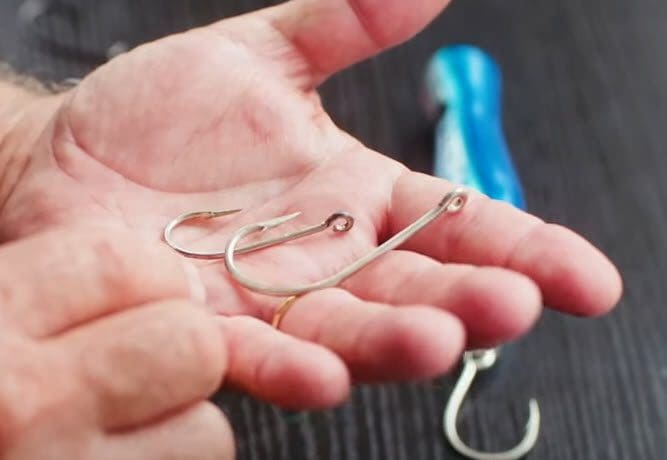
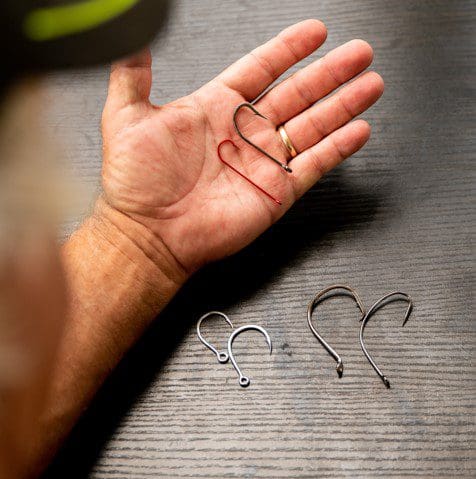
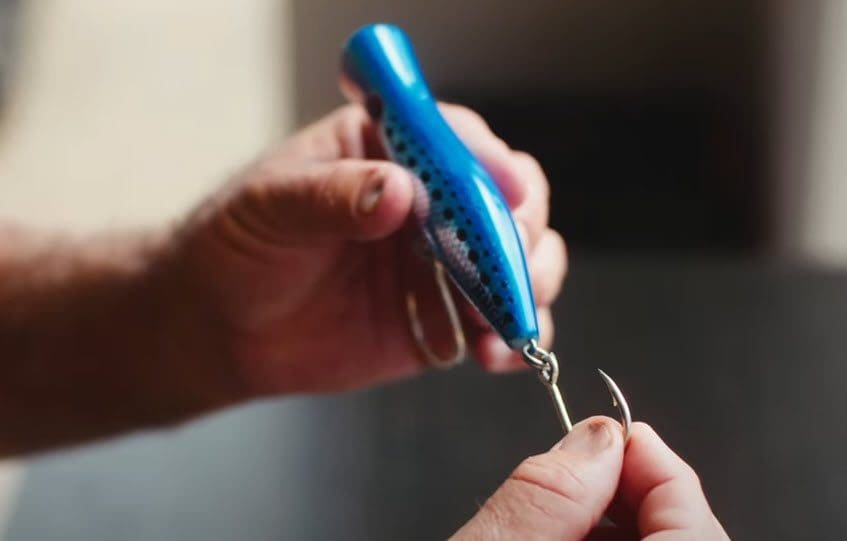
Unlike most other fishing hook designs, in-line hooks are distinctive due to the eye being in line with the shaft.
They’re mainly used on trolling lures, stickbaits and poppers instead of trebles -> HERE IS WHY!
The big advantage is reduced drag.
That allows your lure to swim more naturally, especially when retrieving faster.
If you’re upgrading lures or tuning their action, switching to in-line hooks can make a noticeable difference.
5. Treble Hooks (Best for Slow Retrieve Lures)
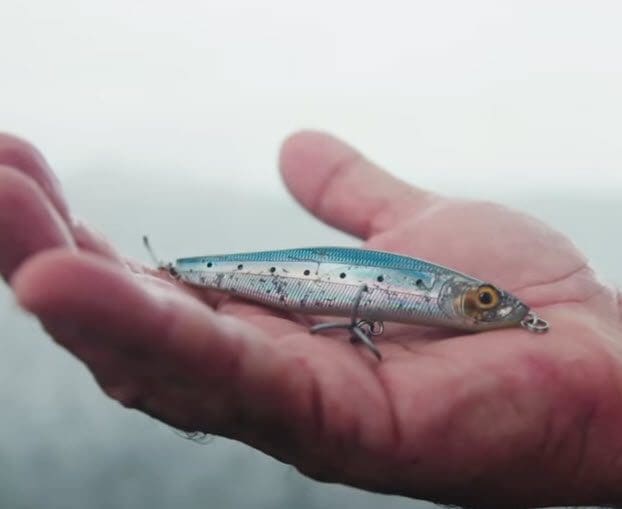
Most slow retrieve lures come with trebles attached but Buyer Beware!
Many have inadequate power and will straighten when attached to a big fish.
If you don’t buy from a reputable Aussie manufacturer like Old Dog Lures or Reidy’s for example, always upgrade your hardware to BKK hooks or VMC 6x strong.
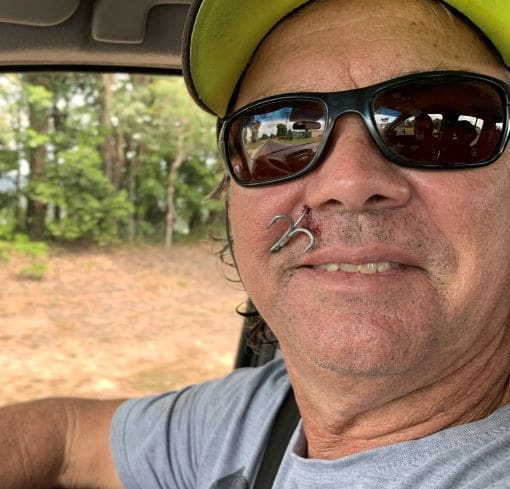
6. Weedless Hooks (Best Around Structure & Snags)
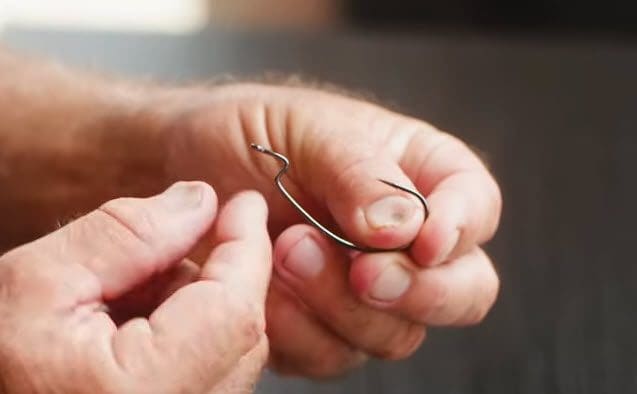
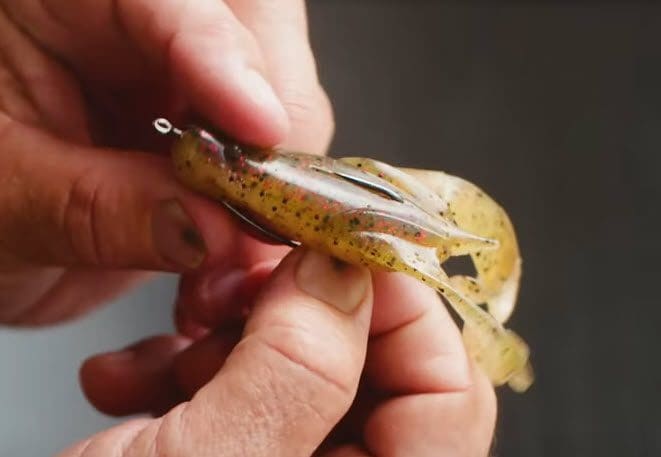
When top water fishing with soft plastics, especially around weed and other obstructions (mangrove roots, branches etc.) it pays to use a weedless hook.
A weedless fishing hook is designed to hide the tip into the top of the soft plastic and minimize collecting debris on the retrieve.
The only downside is a slight reduction in hook ups as the hooks are buried in the lure.
Upside is it saves you time re-rigging and losing lures – so I reckon it balances out.
Plus less rubbish left in the environment after a snag.
What Type of Fishing Hook Should You Use?
This is where most people overcomplicate things.
You don’t need a hundred different hooks.
You just need to match the hook to what you’re doing.
- Dead bait → long shank
- Live bait → circle hook
- Lures → in-line or trebles
- Structure → weedless
That’s it.
Once you understand that, the wall of hooks at the tackle shop becomes a lot easier to deal with.
It’s Not Just About the Hook
This is the part a lot of people miss.
You can have the right hook, the right bait, everything set up perfectly… but if you’re not fishing where the fish are, none of it matters.
And that usually comes down to understanding what your sounder is actually showing you.
If you’re not confident reading your electronics, you’re basically guessing.
That’s why we put together Sounder Skills 1. It’s a simple breakdown of how to actually use your fish finder properly, so you can find fish consistently instead of relying on luck.
It’s only $20 Australian at the moment and well worth a look and if you don’t learn anything I’ll give you your money back!
Our most popular course to get you finding new spots and catching good fish.
Extra Resources
If you want a shortcut on the gear side, I’ve put together a couple of free cheat sheets, including hooks, lures, rods, reels and marine electronics.
👉 Inshore Gear & Tackle Cheat Sheet
👉 Offshore Gear & Tackle Cheat Sheet